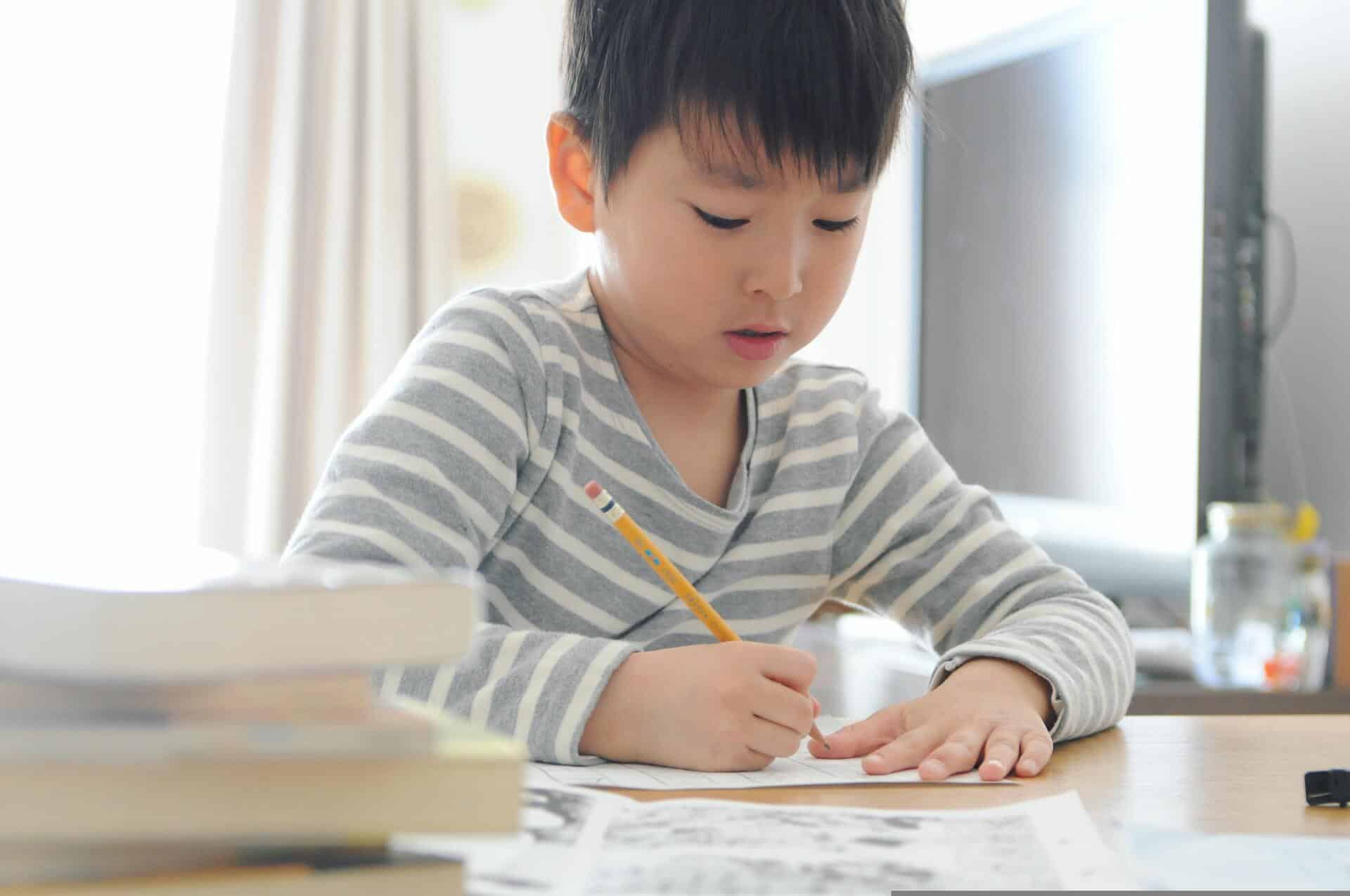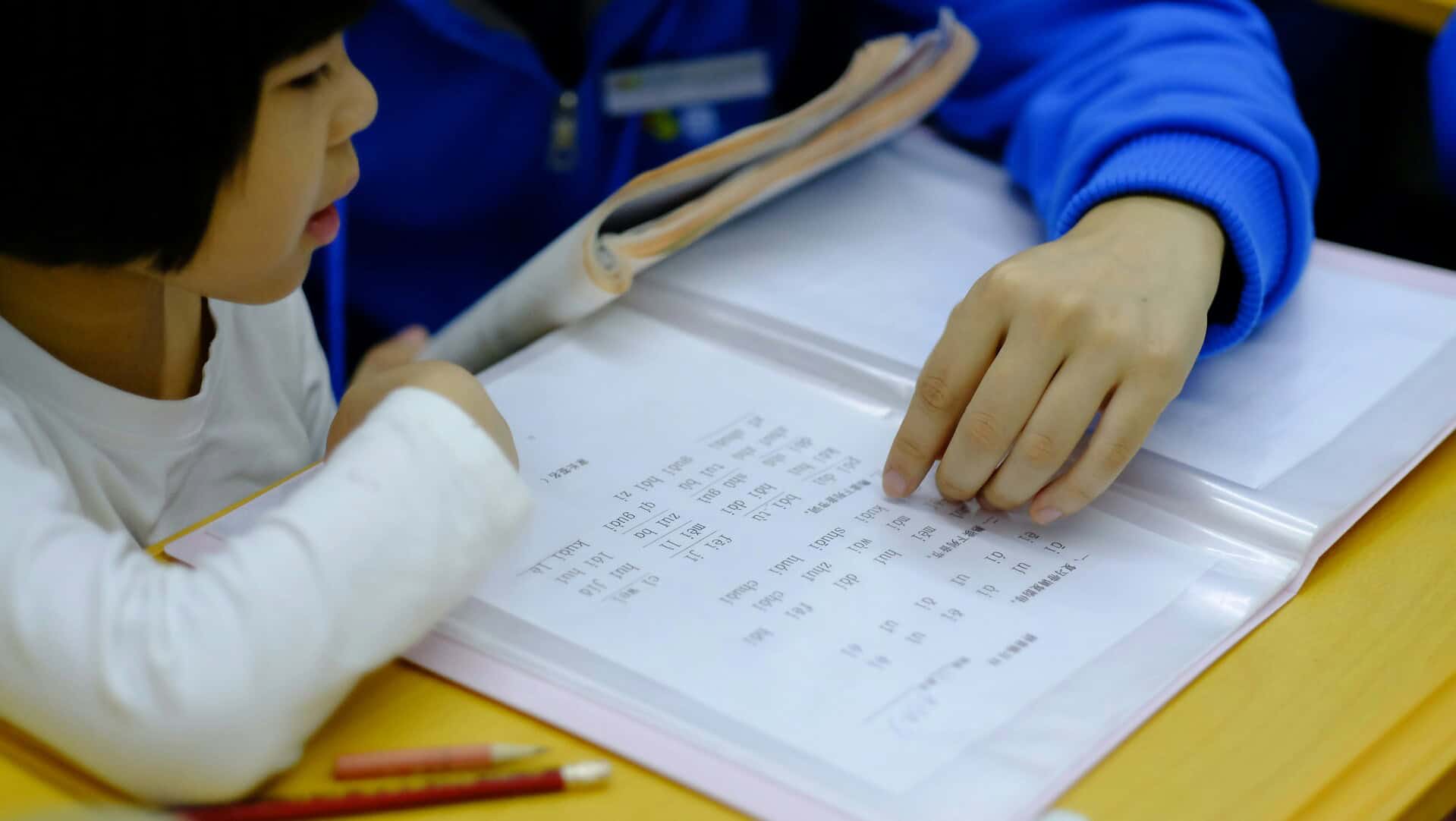
Deciding exactly when to enrol a child in supplementary classes is a dilemma that almost every parent faces early in their child’s school journey. With the increasing academic expectations in primary school, it is natural to want to give your child a strong head start. However, introducing formal academic classes too early can sometimes lead to premature burnout, while waiting too long might cause minor learning gaps to snowball into major classroom struggles.
Finding the right balance depends heavily on understanding your individual child’s development, learning speed, and emotional readiness. Primary tuition can be an incredibly powerful tool when introduced at the right moment. By recognizing the subtle signs that your child is ready for extra guidance, you can ensure that supplementary education builds their confidence rather than adding unnecessary stress to their daily routine.
Decoding the Primary School Milestones
The academic journey is not a uniform sprint; it contains distinct shifts in difficulty that require different levels of parental and academic support. Understanding these developmental shifts helps you avoid overloading your child during years when they simply need time to grow.
Primary 1: Landing the Foundations
During the early transition into lower primary, the main academic focus should be on building basic literacy, numeracy, and a genuine love for learning. For most children, specialized primary tuition is rarely necessary during the very first year of primary school unless a child is showing significant difficulties with foundational reading or basic counting. This period is best spent helping your child adapt to the structure of a longer school day, manage their own stationery, and learn how to follow classroom instructions.
Primary 2 to 4: Bracing for the Concept Leap
The most common and effective window to consider extra academic support usually opens around Primary 2 or Primary 3. At this developmental stage, the school curriculum begins to shift away from simple rote memorisation and moves heavily toward abstract problem-solving and conceptual thinking.
For instance, mathematics introduces complex multi-step word problems, and science becomes a brand new core subject that requires structured logic and answering techniques. Introducing a supportive learning framework during these intermediate years helps children adapt to the increased academic workload without feeling completely overwhelmed.
Primary 5 & 6: Conquering the PSLE Runway
By the time a student reaches upper primary, the academic pace accelerates significantly to prepare them for the Primary School Leaving Examination (PSLE). Topics taught during these years require a high level of critical thinking, application analysis, and advanced writing skills. If a student does not have a firm grasp of earlier concepts, the sheer volume of the upper primary syllabus can cause immense stress. Starting tuition during this phase is often remedial, aimed at quickly patching up old misunderstandings before the national examinations arrive.
Key Signals That It Is Time to Enrol in Primary Tuition
Instead of relying strictly on age or school level to make your decision, it is far more effective to look for specific behavioural and academic clues. Keeping a close eye on your child’s daily homework routine and their emotional responses to schoolwork will give you a clear indication of when to take action.
A Noticeable Drop in Academic Confidence
One of the earliest indicators is a sudden change in how your child talks about their capabilities. If a child who used to enjoy school suddenly starts saying things like “I am just not smart enough” or “I will never understand math,” they are likely hitting a conceptual wall. When a student feels left behind in a large classroom environment, their self-esteem can drop rapidly, making small-group primary tuition a valuable way to rebuild their academic confidence through targeted attention.
Increasing Resistance to Homework Sessions
If your daily evening homework routine has transformed into a stressful emotional battleground filled with procrastination or tears, it is usually a sign of underlying frustration. Children rarely avoid their work simply out of laziness; more often, they push back because they genuinely do not understand the instructions and feel helpless. Bringing in a patient, external educator can defuse this domestic tension, transforming homework time back into a calm, structured learning experience.
Gaps in Core Foundational Concepts
Academic subjects are naturally cumulative, meaning that every new topic builds directly upon the previous one. If your child struggles with basic multiplication in lower primary, they will inevitably find fractions and problem sums nearly impossible in upper primary. When a school report card or a teacher meeting reveals that your child has missed foundational blocks, starting targeted lessons early prevents these minor issues from turning into severe obstacles later on.
Difficulty Keeping Pace with Classroom Speed
Classroom teachers often operate under strict timelines to finish the syllabus before the exam season begins, leaving little room to pause for individual students. If your child requires a bit more time to process new information, they can easily fall behind after just one or two absences or missed steps. Supplementary lessons provide a safe environment where the pace can be customized, allowing your child to ask questions freely without the fear of holding back their peers.
Preventative versus Remedial Support
When analyzing when to start primary tuition, it helps to identify whether you are looking for preventative assistance or remedial intervention. Preventative support is designed for students who are currently doing well but want to build advanced skills, learn answering heuristics ahead of time, or maintain a competitive edge. This type of enrichment can be highly beneficial for upper primary students aiming for specific achievement levels or looking to secure direct school admission allocations.
Remedial support, on the other hand, is an essential safety net for students who are actively drowning in their coursework. Waiting for a child to completely fail an examination before seeking help makes recovery a much longer and more emotionally draining process. Initiating support the moment a child drops from a secure grade tier down to a borderline mark ensures that the intervention is swift, targeted, and far less stressful for the family.
Protecting Your Child’s Well-being While Boosting Grades
The ultimate goal of adding academic support should be to empower your child, not to fill every single hour of their weekend with textbooks. A highly effective tuition programme does not just drill students with endless practice papers; instead, it focuses on teaching them how to learn, organize their thoughts, and manage exam time efficiently. This holistic approach ensures that your child develops a resilient mindset that serves them well into their secondary school years.
When choosing the right path forward, it is essential to combine structured lessons with healthy study frameworks at home. Teaching your child how to retain information naturally and manage their revision blocks efficiently is what truly allows them to apply their tuition concepts successfully during major school exams. Because peak exam performance is a direct result of how a child prepares long before the test booklets are distributed, building effective revision frameworks at home is the most dependable way to eliminate these costly slips permanently.
As you evaluate whether primary tuition is the correct next step for your child, it is valuable to consider the broader evidence regarding its impact. Understanding the core benefits can help confirm whether supplementary education aligns with your child’s specific developmental needs and goals. Review our resource on Does Tuition Actually Help? What Parents Should Know Before Deciding to see actionable techniques you can implement at home today.