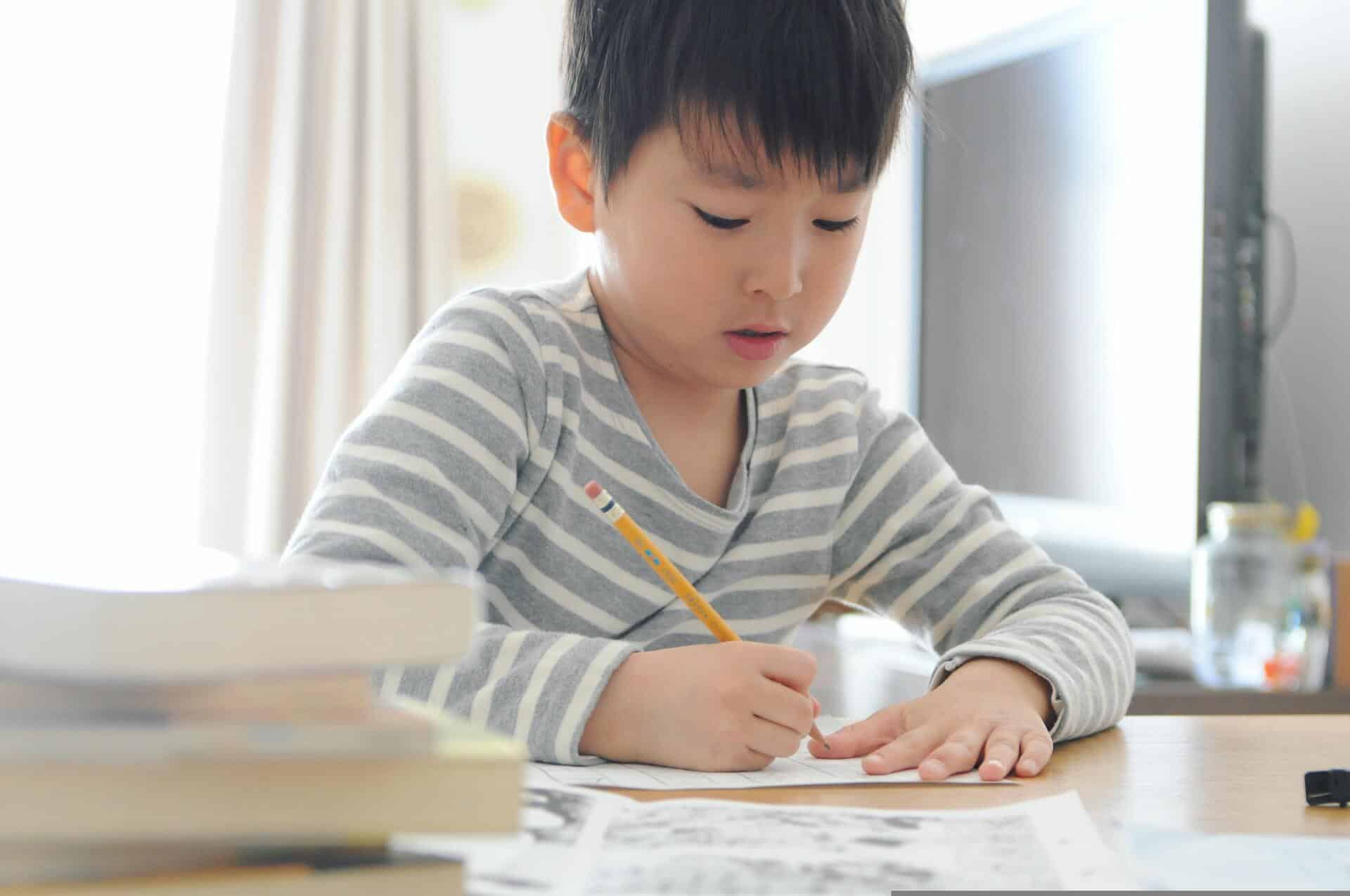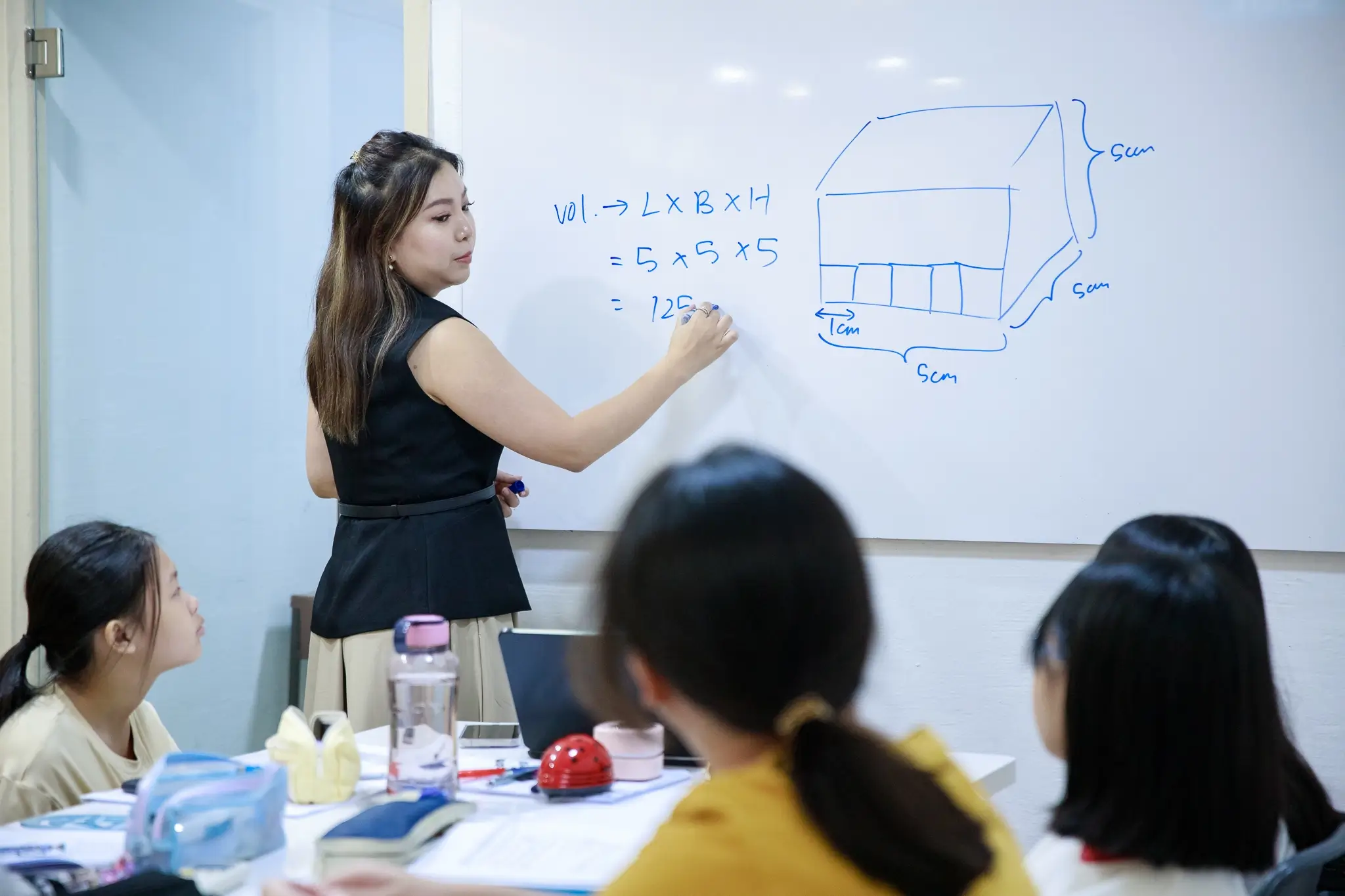
In Singapore, tuition has become so common that many parents sometimes feel like they are making an unusual choice if they decide not to enroll their child.
For some families, tuition feels almost expected. For others, it becomes a difficult decision weighed against packed schedules, rising stress levels, and concerns about whether adding “just one more class” will genuinely help.
Most parents are not simply chasing perfect grades. They are trying to support their child in the best way they know how while balancing academic demands, emotional wellbeing, and family expectations at the same time.
And honestly, that tension is real.
This is why the question “Does tuition actually help?” deserves a more balanced answer than a simple yes or no. Tuition can make a meaningful difference for some students, but it is not automatically the right solution for every child or every situation.
The goal of this guide is not to persuade parents into tuition, but to help families make a more informed and thoughtful decision based on what their child genuinely needs.
Why Do So Many Singapore Parents Turn to Tuition?
Singapore’s education system can be highly demanding, and many parents understandably feel pressure to ensure their children can keep up academically.
For some families, tuition begins after noticing falling grades or increasing difficulty in certain subjects. Others seek support during major examination years such as the PSLE, O-Levels, or A-Levels, where the stakes naturally feel higher.
Confidence also plays a significant role. A child who repeatedly struggles in class may gradually become disengaged or anxious about learning altogether. In these situations, some parents turn to tuition not only for academic improvement, but also to help rebuild confidence and motivation.
There are also parents who enroll their children simply because many peers are already attending tuition. In Singapore, it is not uncommon for families to worry that their child may fall behind if they are not receiving additional academic support outside school.
At the same time, every family approaches tuition differently. Some view it as temporary support during difficult periods, while others see it as part of a longer-term academic routine. The decision is rarely as simple as “good grades” versus “bad grades”.
What the Research Actually Says About Tuition
Research and educational studies generally show that tuition can be effective, but only under the right conditions.
One important point education experts consistently highlight is that tuition works best when it is targeted and purposeful. In other words, it tends to be most helpful when there is a clear gap to address rather than being added purely out of fear or pressure.
Tuition alone also does not guarantee stronger results.
The quality of teaching matters greatly. A child’s willingness to engage matters too. Even factors such as sleep, emotional wellbeing, and support at home can significantly affect whether additional lessons actually lead to meaningful improvement.
In some situations, tuition simply repeats what is already being taught in school without addressing the student’s actual struggles. When that happens, children may spend more hours studying without seeing much progress.
On the other hand, well-structured tuition that focuses on specific weaknesses, builds understanding clearly, and adapts to the child’s learning pace can often create noticeable improvements over time.
The key is not whether tuition exists, but whether the support provided is genuinely useful for that particular child.
When Tuition Genuinely Helps
There are certain situations where tuition tends to make a very real and measurable difference.
One common example is when a child has persistent gaps in a specific subject. Sometimes these gaps begin with a few misunderstood concepts, but over time they snowball into larger struggles as school lessons move ahead more quickly.
Tuition can also help students who need more individual attention than a classroom environment realistically allows. In school, teachers often have limited time to focus deeply on every student’s learning pace or confidence level. Smaller tuition settings may provide more opportunities for questions, clarification, and personalised guidance.
Confidence rebuilding is another area where the right support can be especially valuable. A child who starts believing they are “bad” at a subject may gradually stop trying altogether. Structured guidance and steady progress can help reverse that mindset over time.
Additional support also becomes particularly useful during major examination years such as the PSLE, O-Levels, and A-Levels, where students may need help managing exam techniques, time pressure, and revision strategies more effectively.
That said, not all tuition is equally helpful. Classes with clear learning objectives, structured teaching methods, and targeted support tend to be far more effective than generic programmes that simply assign more worksheets.
When Tuition Might Not Be the Answer
At the same time, there are situations where tuition may not be the most helpful solution.
If a child is already exhausted, overwhelmed, or emotionally burnt out, adding more classes may sometimes increase stress rather than improve performance. More studying does not always lead to better learning, especially when a student no longer has the mental energy to absorb information properly.
There are also cases where the root issue is not academic at all. A child may be struggling because of anxiety, low self-esteem, lack of motivation, or difficulties adjusting emotionally to school pressures. In these situations, tuition alone may not solve the deeper challenge.
Overscheduling is another concern many families face. Some children move from school to multiple enrichment classes with very little time for proper rest, hobbies, or downtime. Over time, this can lead to fatigue, frustration, and disengagement from learning altogether.
This is why open communication matters so much. Before enrolling a child in additional classes, parents should try to understand how the child feels academically and emotionally. Watching for signs of burnout, resistance, or chronic exhaustion is just as important as monitoring grades.
Sometimes, the best support begins with listening first.
What Makes Tuition Worth It
When tuition is genuinely effective, the difference often comes down to quality rather than quantity. Small class sizes usually allow students to receive more personalised attention and clearer guidance. Experienced teachers are often better able to identify learning gaps, explain concepts in different ways, and adapt lessons based on individual needs.
A structured curriculum also matters because students progress more confidently when lessons follow a clear learning pathway instead of jumping randomly between topics. Equally important is measurable progress. Parents should be able to understand how improvement is being tracked and whether the support provided is actually helping their child grow.
Before committing to any tuition programme, it helps to ask practical questions such as:
- What teaching methods are used?
- How are students grouped?
- How is progress monitored?
- What kind of support is given when a child struggles?
The most effective learning environments usually share one common trait. They treat students as individuals rather than simply another seat in a classroom.
Finding the Right Support for Your Child
Every child learns differently, which means the “right” form of support will naturally look different from one student to another.
For some, tuition may provide the structure and guidance they genuinely need to regain confidence and improve steadily. For others, smaller adjustments at home or better study routines may already make a meaningful difference.
What matters most is making a thoughtful decision based on your child’s individual needs rather than pressure, comparison, or fear of falling behind.
At Ms Ng’s Learning Academy, the focus is not just on improving grades, but on helping students strengthen their foundations, rebuild confidence, and develop a healthier relationship with learning through structured and personalised support.
For parents exploring whether structured academic support may help their child, find out how Ms Ng’s Learning Academy approaches personalised learning, confidence-building, and long-term academic growth in a way that supports each student individually.