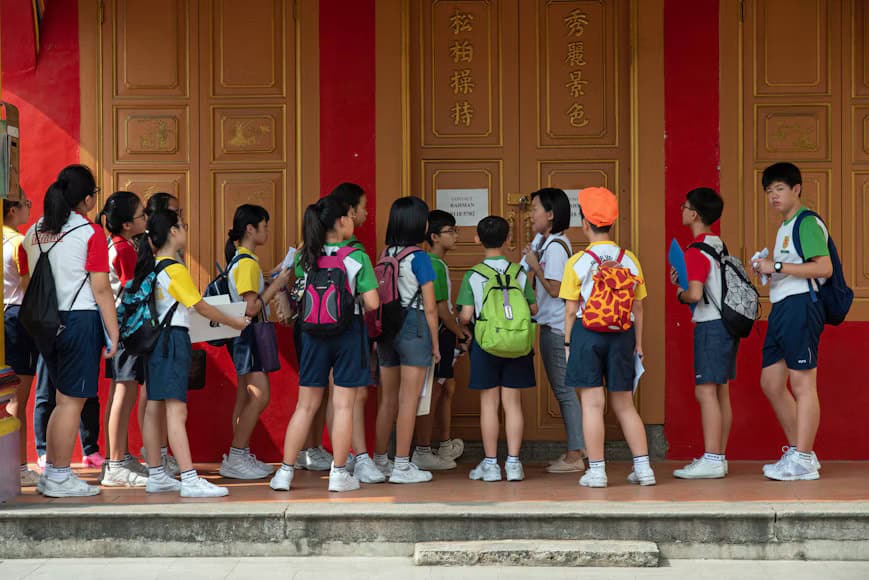
For a long time, the PSLE can feel like a milestone that still seems far away. Then suddenly, your child reaches Primary 6, and the examination no longer feels distant at all.
Conversations suddenly start revolving around oral papers, reporting times, revision schedules, and exam preparation. It is often during this period that many parents realise how unfamiliar the actual examination process feels, from understanding what happens inside the exam hall to knowing how long each paper runs and what their child should realistically expect on the day itself. Very often, stress comes not from paper alone, but from not knowing what to expect.
The reassuring part is that the PSLE examination becomes far less intimidating once both parents and children understand how it works. Familiarity creates confidence, and confident students are usually able to walk into the exam hall feeling calmer, steadier, and better prepared mentally.
This guide breaks down what parents should know before exam day arrives, so the experience feels clearer, more manageable, and far less overwhelming for the entire family.
What Makes the PSLE Examination Different From School Exams?
One of the biggest differences between the PSLE and regular school examinations is that the PSLE is a national examination set and marked by the Singapore Examinations and Assessment Board (SEAB).
Unlike school-based assessments, where formats and expectations may vary slightly between schools, the PSLE follows a standardised structure across Singapore. Every student sits the same papers under the same examination conditions, which ensures consistency in marking and assessment nationwide.
For many children, this is also the first time they experience an examination environment that feels more formal and unfamiliar than their usual school tests.
There are stricter examination procedures, fixed national schedules, and a stronger awareness that the examination carries greater weight academically. Even students who normally cope well in school can feel more nervous simply because the environment feels different.
This is why familiarity matters so much. Children who already understand the paper format, timing, instructions, and exam procedures often enter the examination hall feeling calmer because fewer things feel unknown or intimidating to them.
In many cases, reducing uncertainty is one of the simplest but most effective ways to reduce exam anxiety.
What to Expect on Exam Day Itself
For many families, the lead-up to the examination can feel more stressful than the paper itself. Having a clear idea of what exam day looks like often helps parents and children feel more settled beforehand.
Students are usually required to report to school or the examination venue earlier than the official paper start time. This allows invigilators to complete attendance checks, seating arrangements, and examination briefings before the paper begins.
Parents should ensure their child brings all necessary materials the night before rather than rushing in the morning. Common essentials include entry proof documents where required, identification, approved stationery, calculators for Mathematics papers, and any other materials permitted by the school or SEAB guidelines.
Just as importantly, students should also know what is not allowed in the examination hall. Electronic devices such as phones, smart watches, and unauthorised materials are strictly prohibited during the examination.
The night before the paper often matters more than many parents realise. A calm evening, proper rest, hydration, and a balanced meal usually help far more than last-minute revision late into the night. Children who are exhausted or anxious tend to struggle more with focus and careless mistakes during the paper itself.
On the morning of the examination, keeping things as normal and calm as possible can make a meaningful difference. This is usually not the best time for intense revision, repeated reminders, or conversations focused heavily on results.
Children often absorb the emotional energy around them. When parents remain calm, reassuring, and steady, children are far more likely to walk into the examination hall feeling the same way.
How to Make Sure Your Child Is Truly Ready
True preparation goes beyond simply memorising content. Students who feel ready for the PSLE examination are usually the ones who have spent time becoming familiar with the structure of each paper, practising under realistic timed conditions, and strengthening their exam techniques steadily over time.
Knowing the format matters because confidence often comes from familiarity. When students already know what to expect, they are better able to focus on answering questions instead of feeling distracted by uncertainty or panic during the paper itself.
Timed practice is equally important. Some students understand concepts very well but struggle to manage pacing, stress, or concentration during full examination conditions. Practising under realistic timing helps students build stamina, improve time management, and become more comfortable handling pressure gradually.
Exam technique also plays a significant role across all four subjects. Understanding how to interpret questions correctly, structure answers clearly, manage time wisely, and avoid careless mistakes can often affect performance just as much as content knowledge itself.
This is why preparation tends to work best when it follows a structured and consistent approach rather than relying purely on last-minute revision. Understanding the examination format is only one part of helping a child feel truly prepared.
The bigger challenge is often knowing how to balance revision, exam practice, rest, and confidence-building in a way that feels sustainable throughout the year rather than stressful and overwhelming.
Read the PSLE Preparation Guide: How to Prepare Your Child for PSLE for practical, step-by-step advice on helping your child prepare confidently and steadily for the PSLE year ahead.