The weeks after PSLE are one of the longest stretches of free time your child will have for years. Some children feel instant relief. Others feel oddly lost, as if the routine that held their days together has suddenly disappeared.
So what do you do with all that time? Perhaps your child finally picks up the guitar that has been gathering dust, or learns to cook their favourite plate of noodles. They may take the MRT on their own for the first time, try a sport that could become their secondary school CCA, or spend a Saturday morning helping out at an animal shelter.
There is no single right way to spend the break after PSLE. But with a little thought, these weeks can help your child recover, rediscover who they are beyond their grades, and step into Secondary 1 with quiet confidence. Below, you will find ideas for things to do after PSLE, along with the key dates and decisions worth keeping in mind.
Why the Time After PSLE Matters More Than It Seems
It is easy to see the weeks after PSLE as a pause between two important chapters, but for your child, this period does real work. Primary 6 is often the most intense year a child has experienced so far, and months of steady pressure can leave them tired in ways that are not always visible. Rest, sleep, and play give them the chance to recover, so they have the energy to face the changes waiting in Secondary 1.
The break also reminds children that they are more than a score. At 12, they are beginning to form a clearer sense of who they are, and when a whole year revolves around one exam, it is easy for them to measure their worth by marks alone. Hobbies, friendships, and new experiences help them see that they are also creative, kind, sporty, or curious, and that these qualities matter too.
Free time is also where independence grows. Deciding how to fill an empty afternoon, travelling alone, or planning their own day builds the initiative secondary school will quietly expect, and the holiday lets them practise when mistakes carry little consequence. Relaxed time together now also strengthens your bond just as they step into the teenage years, making it more likely they will turn to you when secondary school gets challenging.
Key Dates to Keep in Mind After PSLE
Before planning activities, it helps to know how the next few months will unfold. For the 2026 cohort, the written papers ran from 24 to 30 September, and the marking days are 12, 13 and 14 October 2026.
The 2026 PSLE results will be released tentatively between Tuesday, 24 November 2026 and Wednesday, 25 November 2026. If your child takes part in the Direct School Admission for Secondary Schools (DSA-Sec), they will receive their school allocation results together with their PSLE results. Everyone else goes through the Secondary 1 posting exercise, where you will need to submit up to six secondary school preferences within about seven days. Posting results are expected between Wednesday, 18 December and Friday, 20 December 2026, tentatively, and the 2027 school year for secondary schools will start on Monday, 4 January 2027.
In short, your child has roughly three months of mostly unstructured time, with one important decision point in late November. Knowing this helps you pace the break sensibly rather than rushing everything into the first few weeks.
Things to Do After PSLE
Let Them Rest Properly First
After months of practising papers and early mornings, the first thing most children need is genuine rest. That might mean sleeping in, lazing about at home, watching a favourite series, or simply doing nothing in particular for a few days.
Resist the urge to schedule the very next week. The rest is not laziness. It gives your child’s mind and body space to recover from sustained pressure, and it often helps them feel ready to engage with new things on their own terms. After a week or two, most children naturally start looking for something to do, and that is the right moment to introduce new ideas.
Rediscover an Old Hobby or Try Something New
Many children quietly put their interests on hold during Primary 6. Perhaps they used to draw every evening, build elaborate Lego cities, or play the piano for fun rather than for grades. The break is a lovely chance to return to those passions.
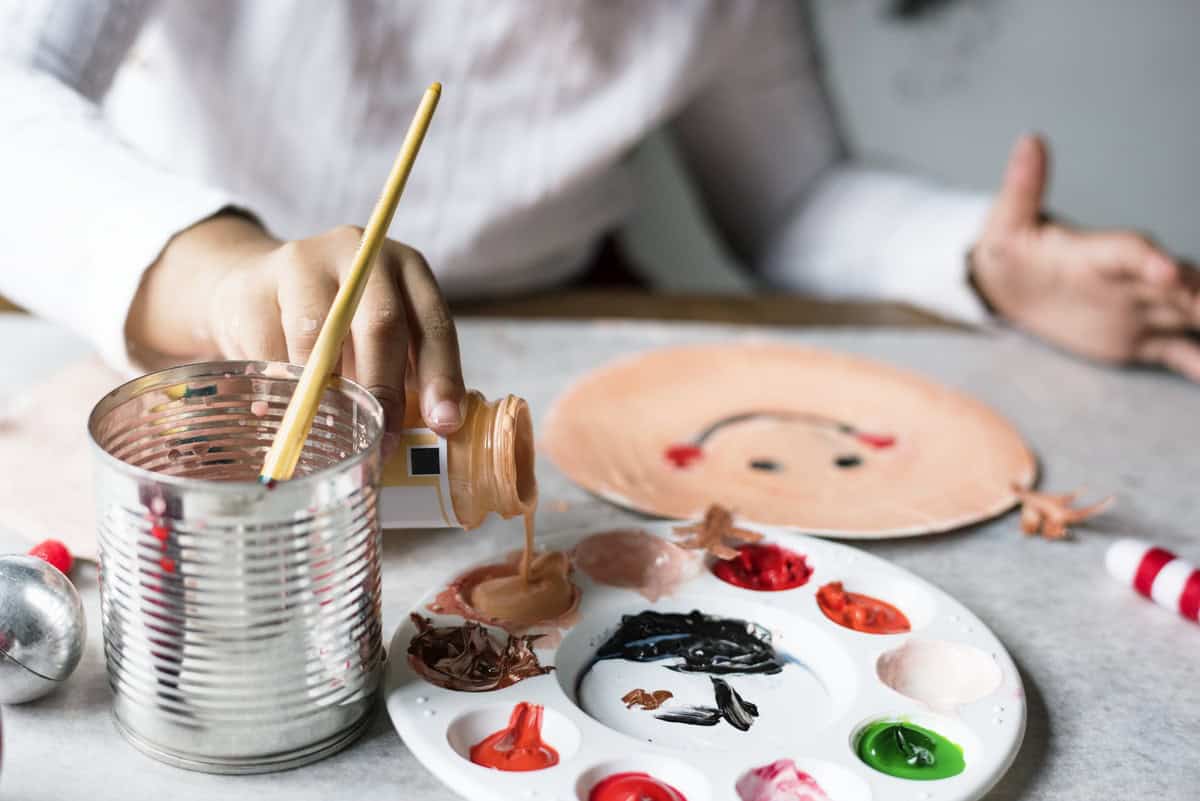
It is also a good time to try something completely new. Think about a pottery class, a coding workshop, a dance programme, baking, photography, or learning a musical instrument. The point is not to become an expert. It is to let your child experience learning purely for enjoyment again, which is something exams can sometimes crowd out.
Build Real-Life Skills
Some of the most valuable things to do after PSLE have nothing to do with textbooks. Secondary school asks for more independence from children, so this is a natural time to teach practical skills such as:
- planning and taking a bus or MRT route on their own, including the route to their future school once it is known
- cooking a simple meal for the family
- managing a small allowance and keeping track of spending
- doing their own laundry or packing their own bag for an outing
These may seem small, but they build a sense of capability. A child who knows they can find their way home or cook dinner walks into a new school with a little more self-assurance.
Get Active
Many Primary 6 students spend far more time sitting than moving during exam season. Physical activity is a wonderful way to restore balance. Swimming, cycling, badminton, football, rock climbing, or simply regular family walks at a park or along a nature trail can lift mood and energy.
If your child is curious about a sport they might want to join as a CCA in secondary school, this is a good time to try it out in a low-pressure setting.
Read for Pleasure
During exam years, reading often becomes a task tied to comprehension practice. The break is an opportunity to make reading enjoyable again. Take your child to the library and let them choose freely, whether that is graphic novels, adventure series, biographies, or books about a hobby they love.
Children who read widely for enjoyment tend to build vocabulary, general knowledge, and focus without even noticing it. Those benefits carry naturally into secondary school English, Humanities, and Science.
Give Back to the Community
Volunteering can be deeply meaningful at this age. Your child could help at an animal shelter, pack food donations, join a beach or park clean-up, or spend time with elderly residents at a community programme. Some organisations have age requirements, so check before signing up, and consider volunteering together as a family.
These experiences help children see beyond themselves and often spark conversations about empathy, responsibility, and what kind of person they want to become.
Spend Unhurried Time Together as a Family
In the rush of Primary 6, family time often shrinks to dinners squeezed between tuition and revision. The break is a chance to reconnect. A family trip is lovely if it suits your plans, but connection does not need a passport. Board game nights, cooking together, visiting grandparents, or exploring a new neighbourhood can be just as memorable.
These moments also give your child space to talk about their hopes and worries about secondary school, which is often easier during a relaxed activity than in a formal “sit down and talk” moment.
After PSLE Results, Choosing a Secondary School Together
Choosing a secondary school often happens faster than parents expect. Once results are out, you will need to submit up to six secondary school preferences within about seven days, so it is wise to research schools before results day and be ready to make informed choices quickly. The quiet weeks of the holiday are a good time to browse school websites, note down open house dates, and talk through options as a family, rather than scrambling after results are released.
It also helps to understand how your child’s PSLE score fits into the picture. The posting process considers each student’s PSLE score, their Posting Group, and school vacancies. Posting Groups 1, 2 and 3 correspond roughly to the former N(T), N(A) and Express standards, but under Full Subject-Based Banding, students can take different subjects at different levels based on their strengths. In other words, the school you choose is about more than a single number. It is about where your child will learn, grow, and spend the next four or five years of their life.
A thoughtful list usually includes a range of schools rather than only those that are a stretch, and it places them in the order your family genuinely prefers. When choosing schools, involve your child in conversation, and look at factors beyond cut-off points, such as:
- travel time and how comfortable your child will be making the journey daily
- CCAs and programmes that match their interests
- school culture and values, which you can get a feel for at open houses or on school websites
- where friends or siblings are going, though this should not be the only deciding factor
Children who feel heard in this decision are often more invested in making their new school work for them.
A Word on Screen Time
It is completely normal for children to want more screen time during the break, and some of it is well-deserved. Problems usually arise when devices quietly replace sleep, movement, and real-life connection.
Instead of strict rules imposed from above, try agreeing on a plan together. For example, you might agree that mornings are for activities or outings and that devices stay out of bedrooms at night. Children are far more likely to follow limits they helped create, and practising self-regulation now will serve them well when they have more independence in secondary school.
Making the Most of the Journey Ahead
The weeks after PSLE are a gift of time, for your child and for your family. There is no perfect way to spend them. A good break usually includes a mix of rest, play, new experiences, practical skills, and a little gentle preparation for what lies ahead. Most of all, this is a chance to remind your child that they are more than their exam results. They are curious, capable, and growing, and they are about to begin an exciting new chapter.
If you would like support in helping your child settle into Secondary 1 with confidence, our teachers at Ms Ng’s Learning Academy are here to help. Explore our programmes or send us a WhatsApp message to find the right class for your child.