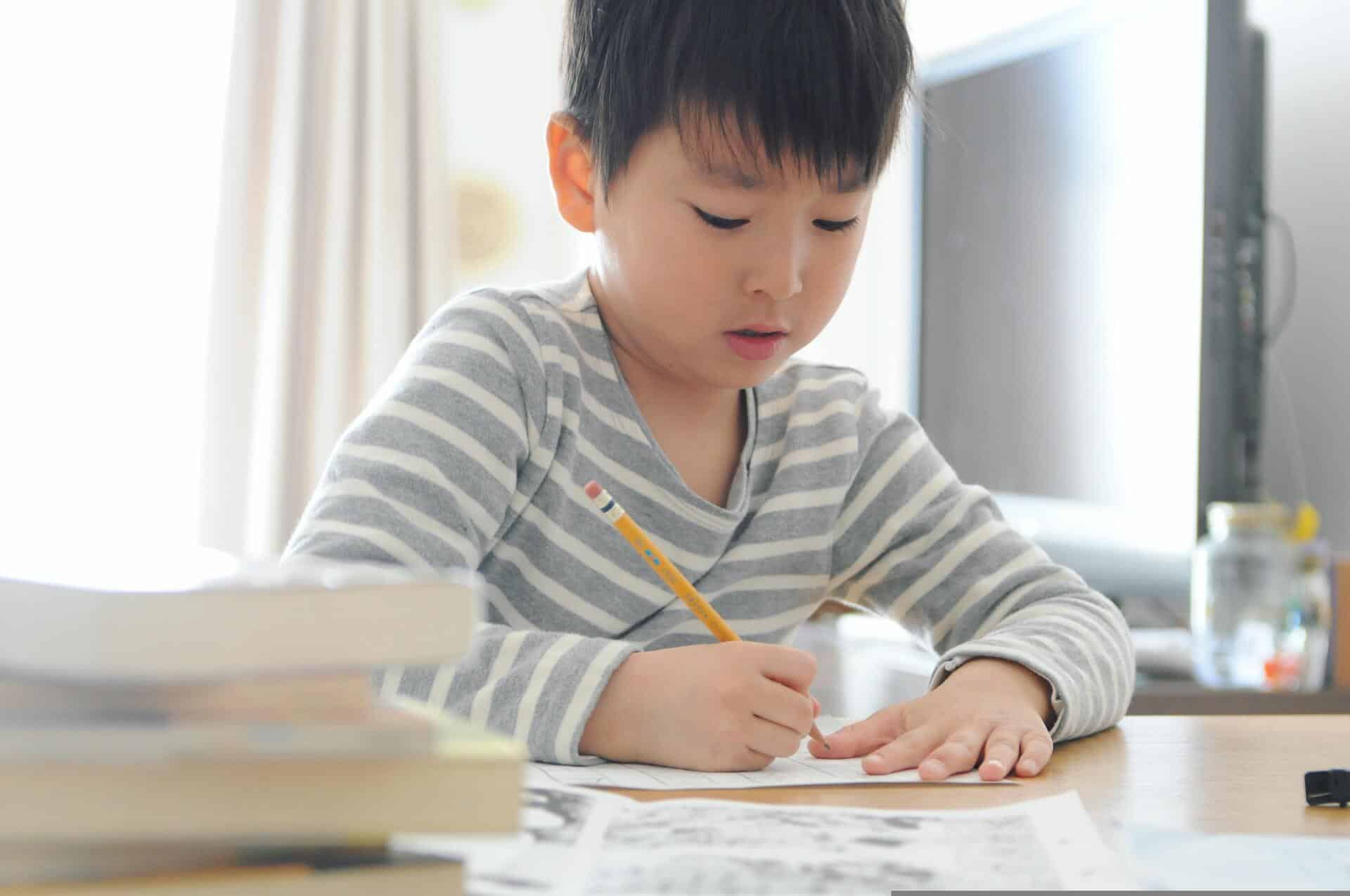
When a report card comes home, it is natural for parents to focus on the numbers first. Whether the results are better than expected or lower than hoped, academic grades often become the centre of attention. For many families, these scores can feel like a measure of how well a child is doing in school. But the reality is that academic grades tell only part of the story.
They provide useful information about a child’s current understanding, strengths, and areas for improvement. However, they do not measure qualities such as resilience, curiosity, determination, creativity, or character. Understanding how to interpret academic grades can help parents support their children more effectively and build a healthier relationship with learning.
What Academic Grades Are Really Telling Us?
Academic grades are best viewed as feedback rather than labels. They show what a student understands at a particular point in time and highlight areas that may require additional support or practice. A strong result may indicate that a student has mastered a concept, while a lower result may reveal learning gaps that need attention. Neither outcome defines a child’s potential.
Instead of asking, “Is my child good enough?” Parents can ask, “What are these academic grades telling us about the next steps in learning?” This shift encourages growth and helps children focus on progress rather than perfection. When children understand that academic grades are a snapshot of their current performance rather than a judgement of their ability, they become more willing to learn from mistakes and tackle challenges with confidence.
Children who understand that academic grades are feedback rather than identity tend to approach learning differently. They become more willing to ask questions, learn from mistakes, and persevere through challenges. Instead of comparing themselves constantly to others, they focus on their own growth and improvement. This mindset reduces unnecessary pressure and helps students develop a healthier relationship with learning. Over time, this can be far more valuable than any single score achieved during grade school because it prepares children to adapt, improve, and remain motivated throughout their academic journey.
Why Grade School Results Are Only One Part of the Picture?
Throughout grade school, students develop far more than academic knowledge. They learn how to solve problems, manage setbacks, communicate ideas, work with others, and build confidence. Many of these important skills are not reflected fully in academic grades. A child who struggles with a particular subject may still be developing strong perseverance, discipline, and learning habits that will benefit them in the long term.
Similarly, a child who consistently achieves strong academic grades may still need support with organisation, confidence, or independent learning skills. This is why parents should look beyond individual scores and consider overall development. Success during grade school is not simply about achieving high marks. It is about building the foundations for lifelong learning and personal growth.
How Parent Reactions Influence Learning?
The way parents respond to academic grades can have a significant impact on how children view themselves, their abilities, and their relationship with learning. When a child receives a disappointing result, their first reaction is often shaped by the response they receive at home. If conversations focus only on the score, children may begin to associate their self-worth with their academic performance.
On the other hand, when parents focus on effort, progress, and learning strategies, children are more likely to develop confidence and resilience. Simple changes in language can make a meaningful difference. Instead of asking why a grade is not higher, parents can ask what was learnt from experience and what steps can be taken next. Questions such as:
- What topic did you find most challenging?
- Which revision method helped you the most?
- What would you do differently next time?
Encourage reflection and help children see academic grades as useful feedback rather than personal judgement. Over time, these conversations build self-awareness and help children develop a healthier attitude towards learning and improvement.
Turning Academic Grades Into a Growth Plan

A report card should not be the end of the conversation. It should be the starting point. When used correctly, academic grades can help parents and children identify strengths, uncover learning gaps, and create meaningful goals for improvement.
Identify Patterns
Before focusing on a single score, look for patterns across subjects and assessments. A one-off result does not always tell the full story, but recurring strengths and weaknesses can reveal where your child may need more support. For example, a child may consistently do well in calculations but struggle with word problems, or understand concepts well but lose marks due to careless mistakes. Identifying these patterns helps parents focus on the root cause rather than reacting to individual grades.
Reflect Together
Once you have identified patterns, take time to discuss the results with your child. The goal is not to focus on mistakes, but to understand what worked well and what could be improved. Simple questions such as “Which topic did you find most challenging?” or “What helped you prepare for this test?” encourage reflection and help children take greater ownership of their learning.
Set Small Goals
After reflection, turn insights into small and achievable goals. Rather than focusing only on a higher grade, focus on specific actions that can support improvement. This could include reviewing mistakes after each test, spending more time on a challenging topic, or developing a consistent revision routine. Small improvements made consistently often lead to meaningful progress over time.
When Additional Academic Support Can Help
Sometimes academic grades reveal learning gaps that require more focused attention. A student may understand classroom lessons but need additional practice to build confidence. Others may struggle with study habits, exam techniques, or specific concepts that become barriers to progress. This is where additional academic support can be valuable. The purpose of tuition is not simply to improve academic grades. Effective tuition helps students:
- Strengthen foundational concepts
- Develop stronger learning habits
- Build confidence in their abilities
- Learn how to approach challenges strategically
- Receive personalised guidance in weaker areas
When students understand concepts more clearly and develop stronger learning habits, academic grades often improve naturally as a result. Every child learns differently, and every set of academic grades tells a different story. The key is understanding what those results reveal and helping your child take the next step forward with confidence. Strong learning habits, the right support, and a growth mindset can often have a greater long-term impact than any single score on a report card.
Wondering whether tuition could help your child build stronger foundations, greater confidence, and healthier learning habits? Find out what parents should know before making a decision: Does Tuition Actually Help? What Parents Should Know Before Deciding.