
When Sleep Becomes the Smartest Study Tool
Does your child study for hours but still forget everything before the exam?
If that sounds familiar, you’re not alone. Many parents in Singapore share the same concern. Their children work hard and stay up late, yet the results do not always reflect their effort. In our results-focused education system, it is easy to believe that longer hours mean better grades. But what if the real secret to sharper focus and stronger memory is not found in more studying, but in better rest?
Sleep is often the first thing students sacrifice during exam season, yet it is one of the most powerful learning tools they have. It does more than recharge the body. It gives the brain time to replay, strengthen, and organise everything learned during the day.
Sleep is not a pause from learning.It is part of the process.
While your child rests, the brain continues to work quietly, revisiting lessons, reinforcing understanding, and turning short-term information into long-term knowledge.
In this article, you’ll discover how sleep helps the brain learn, why late-night cramming can hurt more than it helps, and how MNLA’s structured approach helps students find the balance between focus and recovery for lasting success.
The Brain Never Sleeps
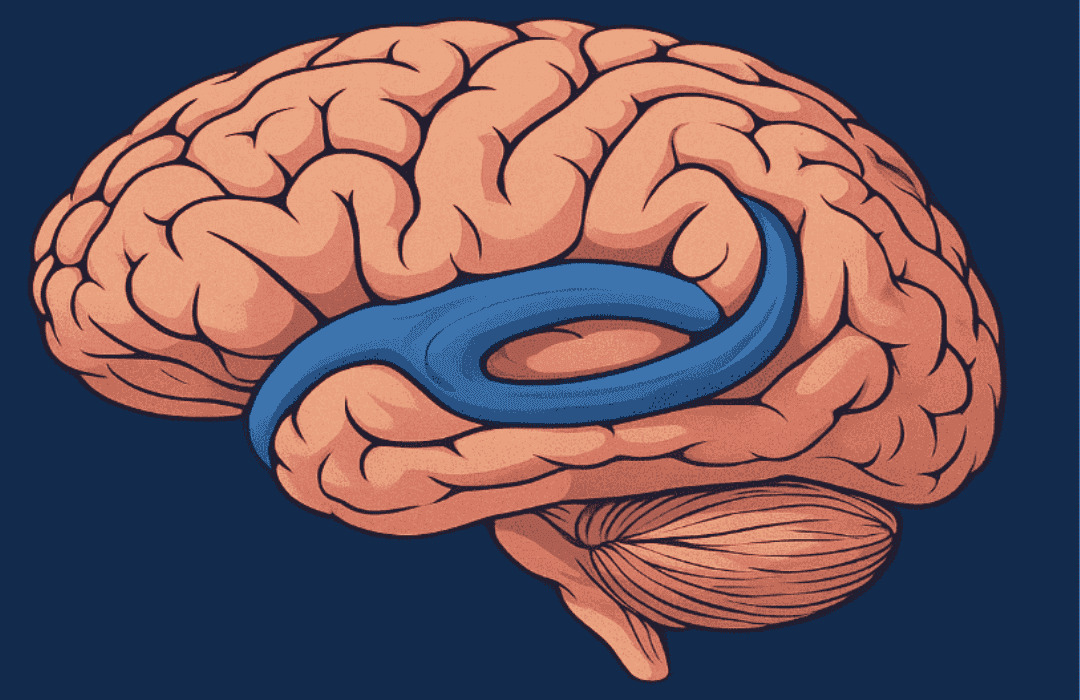
Every lesson, worksheet, and practice paper your child completes begins as a fragile memory.
It lives briefly in the short-term storage part of the brain, called the hippocampus. During sleep, the brain reviews what was learned, decides what matters most, and sends it to the neocortex, where long-term knowledge is stored.
Think of it like moving files from a messy desktop into a neatly organised folder. Without sleep, that transfer never happens, and what was learned slowly fades away.
According to research from Yale Medicine, sleep plays a critical role in this process of memory consolidation. The brain strengthens essential connections and clears out irrelevant ones, which is why students who sleep well retain information more effectively.
In other words, sleep does for the brain what revision does for students. It makes knowledge easier to find when it is needed most.
Why Late-Night Studying Backfires
The Myth of “More Hours, Better Results”
Many students believe that staying up late shows commitment, but it often works against them. When students are too tired, the brain can’t store information effectively. What seems clear during late-night studying often fades by the next day.
Research from the National Institutes of Health shows that losing sleep can reduce a student’s ability to absorb and recall information by up to 40 percent. Fatigue clouds focus, weakens memory, and slows the brain’s ability to think clearly.
That is why a student can study until midnight, feel prepared, and still blank out during an exam. The brain never had enough time to process and store what it learned.
Real mastery is not built through sleepless nights. It happens when effort and rest work together. When students find that rhythm, learning becomes smoother, confidence grows, and results follow.
Sleep Smart, Study Smarter
Habits That Strengthen the Brain
Better learning does not always come from doing more. It comes from doing things smarter.
Here are five simple, science-backed habits that can make every hour of study count:
- Review before bed.
- A short recap helps the brain lock in what was learned during the day. The last thing your child studies often becomes the first thing they remember tomorrow.
- Keep a steady sleep routine.
- Going to bed and waking up at the same time trains the brain to learn faster and stay alert longer. Consistency builds focus just like practice builds skill.
- Put away screens early.
- The blue light from phones and tablets delays deep rest. Replacing screen time with light reading or quiet reflection helps the mind wind down naturally.
- Take short naps.
- Even a 20-minute nap can boost focus and recall. Think of it as a mini recharge for the brain. Short but powerful.
- Balance study and recovery.
- The brain absorbs information best when effort is followed by rest. Breaks are not signs of slacking off; they are how the mind resets and prepares to learn again.
During sleep, the brain filters through information, clears away distractions, and strengthens the connections that matter most. According to Harvard Health, this process of mental “decluttering” is one of the reasons well-rested students perform better in both memory and problem-solving tasks.
The Emotional Power of Rest
Why Sleep Builds Confidence
Sleep affects more than just memory. It shapes how students think and feel.
When children are tired, their focus and motivation drop, and their emotions become harder to manage. Research from Yale Medicine highlights that a lack of rest increases stress hormones, leading to higher anxiety and lower confidence.
A well-rested student feels calm, focused, and ready to perform.
Sleep gives the brain clarity and emotional balance, helping students recall information with ease and handle challenges with confidence.
When rest becomes part of a student’s study rhythm, they approach learning with energy instead of stress.
How MNLA Builds Smarter Learners

At Ms. Ng’s Learning Academy, we don’t just prepare students for exams. We prepare them to think, adapt, and succeed long after the results are released.
Our approach is different because it blends structure with strategy. Every lesson is designed to sharpen understanding, build consistency, and strengthen focus, not simply cover syllabus content. We teach students how to learn effectively, manage their time wisely, and approach challenges with confidence.
We guide students to:
- Build study habits that sustain progress, not pressure.
- Recognise when to revise and when to recharge.
- Learn how to focus deeply without burnout.
What makes MNLA stand out is how we combine academic rigour with genuine care. We understand that real progress happens when students feel supported, confident, and in control of their own learning.
Our students don’t just improve their grades. They develop discipline, resilience, and the mindset to keep growing.
That is what makes learning at MNLA not only effective but transformational.
What Parents Can Do Tonight
At home, small changes can make a big difference. When parents create an environment that values balance and rest, learning becomes smoother and more enjoyable.
Here are a few simple steps you can take tonight:
- Create a calm bedtime routine. Encourage quiet reading, light reflection, or gentle conversation before sleep. This helps the mind settle and signals to the brain that it is time to rest.
- Keep devices out of the bedroom. Phones, tablets, and even glowing screens interrupt deep sleep. A digital-free space allows your child to recharge fully.
- Prioritise eight hours of rest. Consistent sleep helps students think clearly, stay focused, and handle challenges with confidence.
- Promote early, structured revision. Encourage your child to study when their energy is highest instead of cramming late into the night.
- Redefine rest as progress. Remind your child that resting well is not a distraction from success. It is what allows the brain to perform at its best.
When rest becomes part of the family routine, students learn better, feel happier, and rediscover the joy of progress. Success stops being stressful and starts feeling sustainable.
Rest. Retain. Rise.
Sleep is not the opposite of studying. It is what makes studying work.
Each night, as your child rests, their brain reviews the day’s lessons, strengthens memory, and prepares for the challenges ahead.
Students who rest well do more than perform better. They think clearly, recall information with ease, and approach exams with calm confidence. Rest gives their effort meaning, turning hours of study into lasting results.
At Ms. Ng’s Learning Academy, we help students find this balance. Our proven approach builds confident learners who understand that success comes from structure, strategy, and steady progress, not stress or overwork.
Give your child the structure and support they need to thrive. Enrol at MNLA today and experience how smarter learning leads to stronger results because the most effective lessons do not always happen in the classroom. Sometimes, they take place quietly, in focused moments guided by structure, consistency, and care.