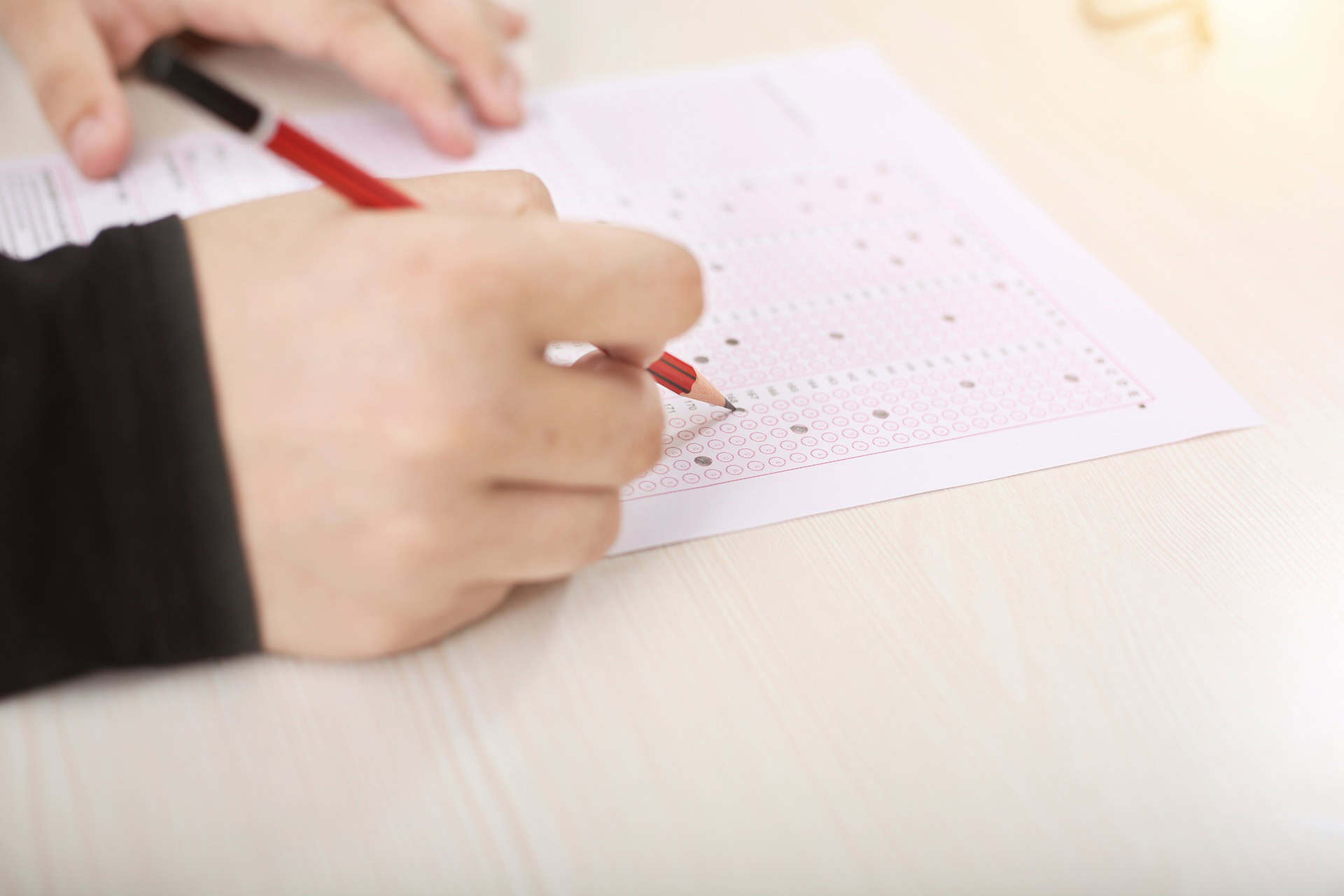
Exam pressure has become a growing concern for students and parents in Singapore, particularly during major milestones such as the PSLE.
According to a Channel NewsAsia report discussing PSLE-related stress and ongoing education reforms, many students experience anxiety due to high expectations, intense competition, and fear of underperforming. While assessments remain an important part of education, the emotional well-being of students is increasingly recognised as just as critical.
This article explores why exam pressure exists, how healthy expectations can reduce stress, and how parents and educators can better support students through examinations.
Understanding the Source of Exam Pressure
Exam pressure often stems from more than the exam itself.
Students may feel stress due to:
- High expectations placed on results
- Comparisons with peers
- Fear of disappointing parents or teachers
- Uncertainty about future academic pathways
The CNA article highlights that while reforms aim to reduce the stakes of single exams like the PSLE, mindsets around results take time to change. Students often internalise pressure even when systems evolve.
Why Healthy Expectations Matter
Healthy expectations focus on effort, growth, and learning, not just outcomes.
When expectations are too rigid or result-driven, students may develop anxiety, fear of failure, or a fixed mindset. In contrast, realistic and supportive expectations help students feel safe to try, make mistakes, and improve.
Healthy expectations encourage students to:
- Focus on progress rather than perfection
- View exams as part of learning, not a judgment of worth
- Develop resilience when facing challenges
This mindset supports both emotional well-being and academic performance.
The Role of Education Reforms
Singapore’s education reforms aim to shift focus away from excessive competition.
Changes such as broader subject-based banding and reduced emphasis on exam labels reflect an effort to create a more balanced education system. These reforms acknowledge that students develop at different paces and that success cannot be measured by a single score.
However, reforms alone are not enough. The way parents, schools, and educators respond to exams plays a crucial role in shaping how students experience pressure.
How Parents Can Support Healthy Exam Experiences
Parental attitudes strongly influence how students perceive exams.
Supportive involvement helps students feel understood rather than judged. Simple actions can significantly reduce stress and build confidence.
Parents can support healthy expectations by:
- Encouraging effort instead of focusing solely on grades
- Avoiding comparisons with other students
- Listening to concerns without dismissing feelings
- Reinforcing that exams do not define a child’s value
These messages help students approach exams with greater calm and confidence.
How MNLA Helps Students Manage Exam Pressure
At MNLA, exam preparation goes beyond content mastery.
Tutors focus on building clarity, confidence, and structured learning habits. Students are guided to understand concepts deeply, practise consistently, and approach exams with realistic goals. Mistakes are treated as learning opportunities, not failures.
By creating a supportive and structured environment, MNLA helps students reduce anxiety and develop healthier relationships with exams.
Creating a Balanced View of Success
Exams are important, but they are not the sole measure of success.
When students are supported with healthy expectations, they are more likely to stay motivated, resilient, and confident. This balanced approach aligns with national efforts to reduce excessive exam stress while maintaining academic standards.
Exam pressure is real, but it does not have to be overwhelming.
With education reforms, supportive parenting, and structured learning environments, students can learn to manage stress and perform to their potential. Healthy expectations help students see exams as part of growth, not a source of fear. When well-being and learning go hand in hand, students are better prepared for both exams and life beyond them.