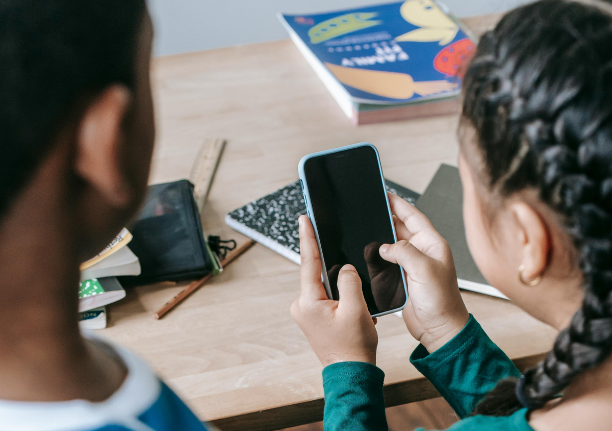
Focus has become one of the most valuable skills in today’s classrooms.
With smartphones becoming a constant presence in students’ lives, maintaining attention during lessons has grown increasingly challenging. Notifications, messages, and the urge to check screens can easily disrupt learning, even when phones are not actively in use.
A phone-free school environment aims to address this issue by removing unnecessary distractions. This article explores how limiting phone use supports student focus, improves learning quality, and encourages healthier study habits.
Why Phones Disrupt Learning
Phones are designed to capture attention.
Even when students are not actively using them, the awareness of notifications or messages can reduce concentration. This constant mental distraction makes it harder for students to stay engaged during lessons or independent work.
In learning environments, phone distractions often lead to:
- Shortened attention spans
- Reduced listening and participation
- Increased task-switching
- Lower retention of information
Over time, these patterns can affect both academic performance and learning confidence.
How a Phone-Free Environment Improves Focus
Removing phones creates mental space for learning.
When students are not distracted by screens, they are more present during lessons. They listen more attentively, engage in discussions, and complete tasks with greater focus. This uninterrupted attention allows students to process information more deeply.
A phone-free environment encourages students to:
- Concentrate on one task at a time
- Engage more actively with teachers and peers
- Develop longer attention spans
- Complete work more efficiently
These habits support meaningful learning rather than surface engagement.
The Impact on Classroom Interaction
Focus affects more than individual performance.
Without phones, students are more likely to participate in class discussions, ask questions, and collaborate with peers. Communication becomes more natural and learning becomes more interactive.
Teachers also benefit, as they can maintain lesson flow without constantly redirecting attention. This creates a more structured and productive classroom environment where learning time is maximised.
Building Healthy Learning Habits Beyond School
A phone-free environment also teaches boundaries.
Students learn that there is a time for focused work and a time for screen use. This awareness helps them manage distractions more effectively outside of school, especially during homework and revision.
Over time, students become more aware of how distractions affect their productivity. This self-awareness supports better study habits and stronger self-discipline.
How MNLA Supports Focused Learning
At MNLA, focus is treated as a foundational learning skill.
Lessons are structured to encourage active engagement, critical thinking, and sustained attention. By minimising unnecessary distractions, students are able to concentrate fully on understanding concepts and practising skills.
Tutors guide students to stay present, manage their attention, and develop disciplined learning habits. This approach helps students make the most of each lesson and build confidence in their ability to focus.
Why Focus Matters for Academic Success
As students progress to higher levels, academic demands increase.
Longer lessons, more complex concepts, and application-based assessments require sustained attention. Students who can focus deeply are better equipped to understand instructions, apply knowledge, and perform under exam conditions.
Focus is not just about doing well in school. It is a life skill that supports learning, problem-solving, and resilience in the long term.
A phone-free school environment is not about restriction. It is about intention.
By reducing distractions, students are given the opportunity to focus, engage, and learn more effectively. With the right structure and guidance, a focused environment helps students build habits that support academic success and personal growth.