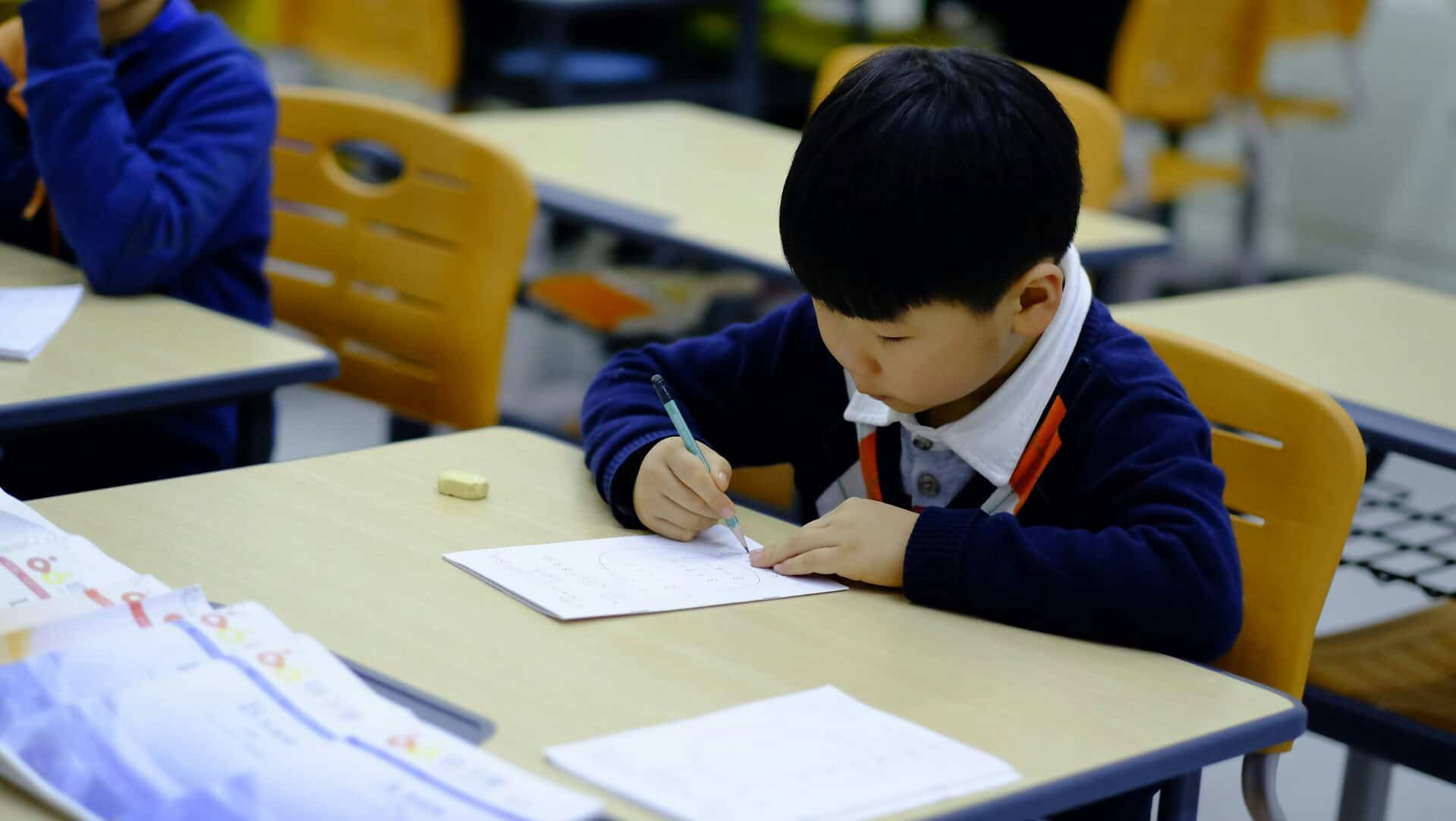
It is a frustrating experience that almost every Singaporean student and parent has encountered. A child returns home with an exam script, and upon reviewing the papers, you notice a trail of lost marks on questions they fully understood. A simple calculation error, misreading a crucial word in a science prompt, or forgetting to transfer an answer to the main sheet costs them a better grade. These are not gaps in knowledge; they are classic exam mistakes that can easily be corrected.
In a highly competitive academic environment, these tiny errors can make a significant difference in final grades. Many students assume that making silly mistakes in exams is just an unavoidable consequence of bad luck or test-day nerves. However, these errors are actually highly predictable behavioural patterns. By understanding why these lapses in focus happen, you can give your child the tools they need to maintain precision and accuracy under pressure.
Why Students Make Silly Mistakes in Exams
To find out how to avoid mistakes in exams, we must first look at why a smart, well-prepared brain suddenly fails to see a glaring error. Careless slips rarely happen because a child lacks intelligence. They are usually caused by cognitive fatigue or automated processing.
During a high-stakes assessment, a student’s brain works at maximum capacity, consuming a massive amount of mental energy. As the clock ticks down, cognitive fatigue sets in, causing the prefrontal cortex to lose its sharp focus. This is exactly when a child reads a word like “incorrect” but processes it as “correct” in their mind. Their eyes see the word, but their tired brain automatically fills in what it expects to see rather than what is actually printed on the page.
Another major trigger is rushing due to time anxiety. When a student is terrified of running out of time, they sprint through the questions. This rapid pace forces the brain to jump straight to conclusions without checking the intermediate steps. A child might solve a complex algebraic equation flawlessly, only to write down two plus three equals six in the final line simply because their working memory was already racing ahead to the next page.
Actionable Methods on How to Avoid Careless Mistakes in Exams
Tackling this problem requires moving past generic advice like “be more careful next time.” Instead, students need a structured, physical game plan to catch errors before they hand in their papers. Teaching your child how to avoid careless mistakes in exams involves building concrete methods into their daily preparation.
Apply the Active Annotation Method
One of the most effective techniques to prevent misreading questions is the active annotation method. Train your child to physically underline the command words, such as explain, describe, or calculate, as well as any specific constraints, like giving your answer in centimetres or expressing it as a fraction. This simple physical action forces the brain to slow down and process every single constraint. By marking the text directly, they anchor their attention to the paper, preventing themselves from rushing ahead and accidentally answering the wrong prompt entirely.
Maintain a Structured Workspace Layout
Another critical area to address is the way rough calculations are managed on the page. A structured workspace layout means setting up a dedicated, highly neat area within the exam booklet margins where numbers, equations, and steps are intentionally separated and aligned.
When a student’s work is scribbled erratically across the page, they are highly likely to misread their own handwriting or leave out a crucial variable during transition steps. Encourage your child to keep their numbers neatly aligned in clear, vertical columns. Keeping these steps structured makes it incredibly easy for the eye to scan the process, allowing them to spot a mathematical slip-up or a misplaced decimal point instantly.
Implement a Strict Index Verification Check
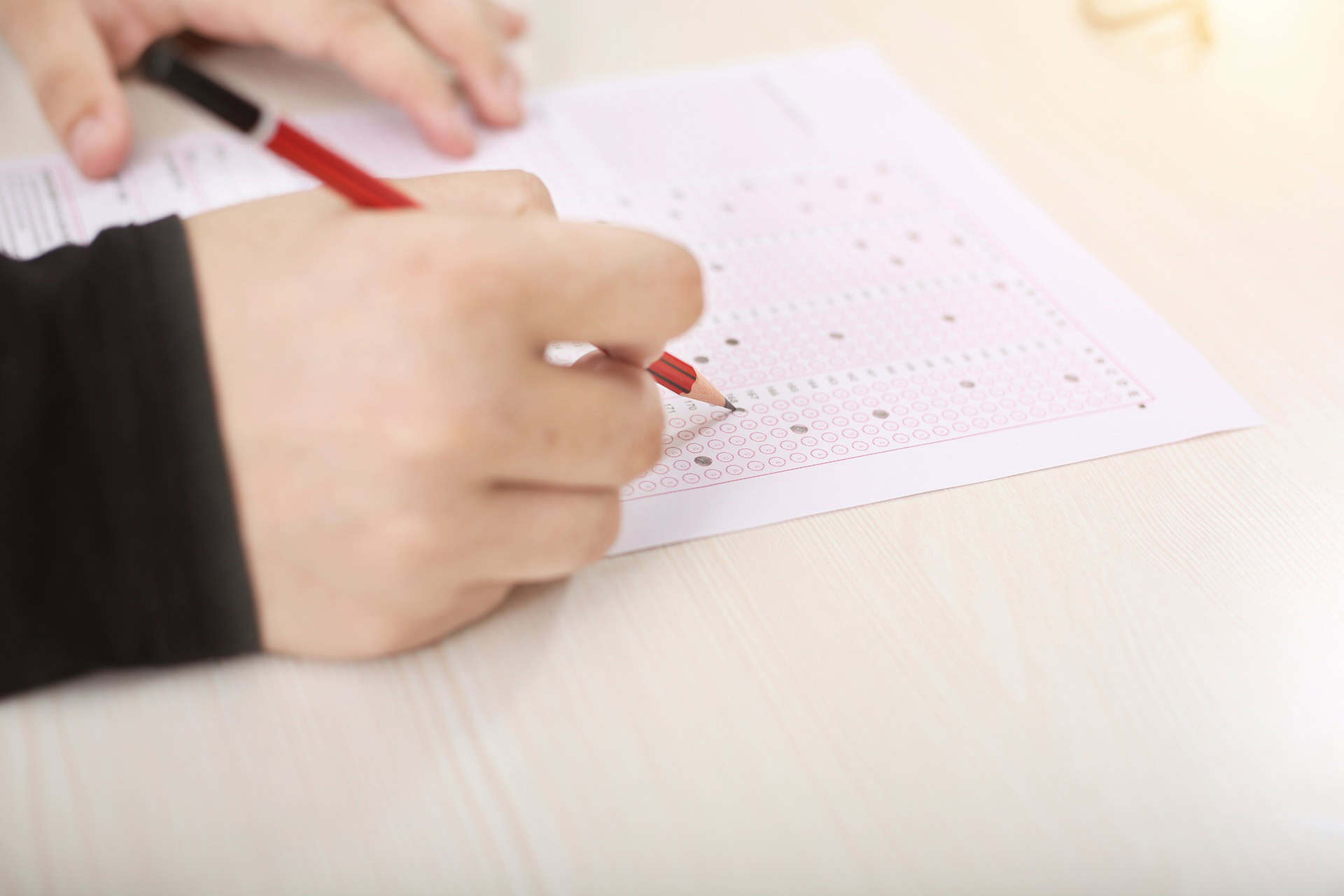
Losing marks because of a misalignment on an optical answer sheet is an incredibly devastating yet common error. To stop this from happening, teach your child to implement a strict index verification check. This is a methodical cross-checking process where a student manually verifies that the question identity match coordinates perfectly with their chosen slot on the submission sheet.
Rather than filling in multiple bubbles at the very end of the test, they should get into the habit of matching the specific question number on the exam booklet directly to the corresponding row on the answer sheet for every single entry. This deliberate pause keeps them grounded, ensuring that a single skipped question does not lead to a domino effect of misplaced answers down the line.
Perform an Immediate Booklet Scan
Many students plunge straight into the first question the moment the invigilator says to begin, which means they often miss important context or hidden sub-questions. Train your child to perform an immediate booklet scan by flipping through the entire paper from front to back as soon as they are allowed to open it.
This quick evaluation helps their brain naturally gauge the total volume of work, spot multi-part questions printed on the back pages, and mentally allocate their time so that no section is accidentally left completely blank.
What to Do During the Verification Phase to Catch Slips
The final ten minutes of an assessment should be treated as a strict rescue mission. Most students use this remaining time to passively flip through their pages, glance at their answers, and assume everything looks correct. This passive review is highly ineffective because the brain is blind to its own fresh mistakes. Learning how to avoid silly mistakes in exams requires an active verification process.
Instead of reading from the top of the page down, teach your child to check their calculations backwards. If they solve a problem using subtraction, they should verify it by adding the numbers back together. If they solved an algebra question, they should plug their final value back into the original prompt to see if the equation holds true. This reverse checking forces the brain out of its automated track, allowing it to see the work with a fresh perspective.
Additionally, students should practice targeted error isolation. If your child knows they frequently make calculation slips on multi-step math problems or tend to leave out units in science, they should dedicate their initial verification minutes exclusively to scanning for those specific weaknesses. Isolating their known traps transforms the review process from an aimless page-flip into a highly efficient hunt for lost marks.
Shifting Focus from Speed to Precision
Achieving a top score is not just about knowing the material, it is about demonstrating that knowledge flawlessly on the page. When a child learns to balance their academic speed with structured checking mechanisms, their true capability shines through on their report card. Eliminating careless errors provides a massive boost to their confidence, helping them walk into the next testing hall knowing they are in complete control of their final score.
Developing this level of precision during an assessment depends heavily on how a student structures their revision days at home. By replacing chaotic, last-minute cramming with methodical, high-yield routines, children can train their brains to maintain sharp focus and accuracy even under strict exam conditions. Because peak exam performance is a direct result of how a child prepares long before the test booklets are distributed, building effective revision frameworks at home is the most dependable way to eliminate these costly slips permanently. Read our guide on Smart Study Habits: What Actually Helps Students Learn Better to find actionable techniques you can implement at home today.