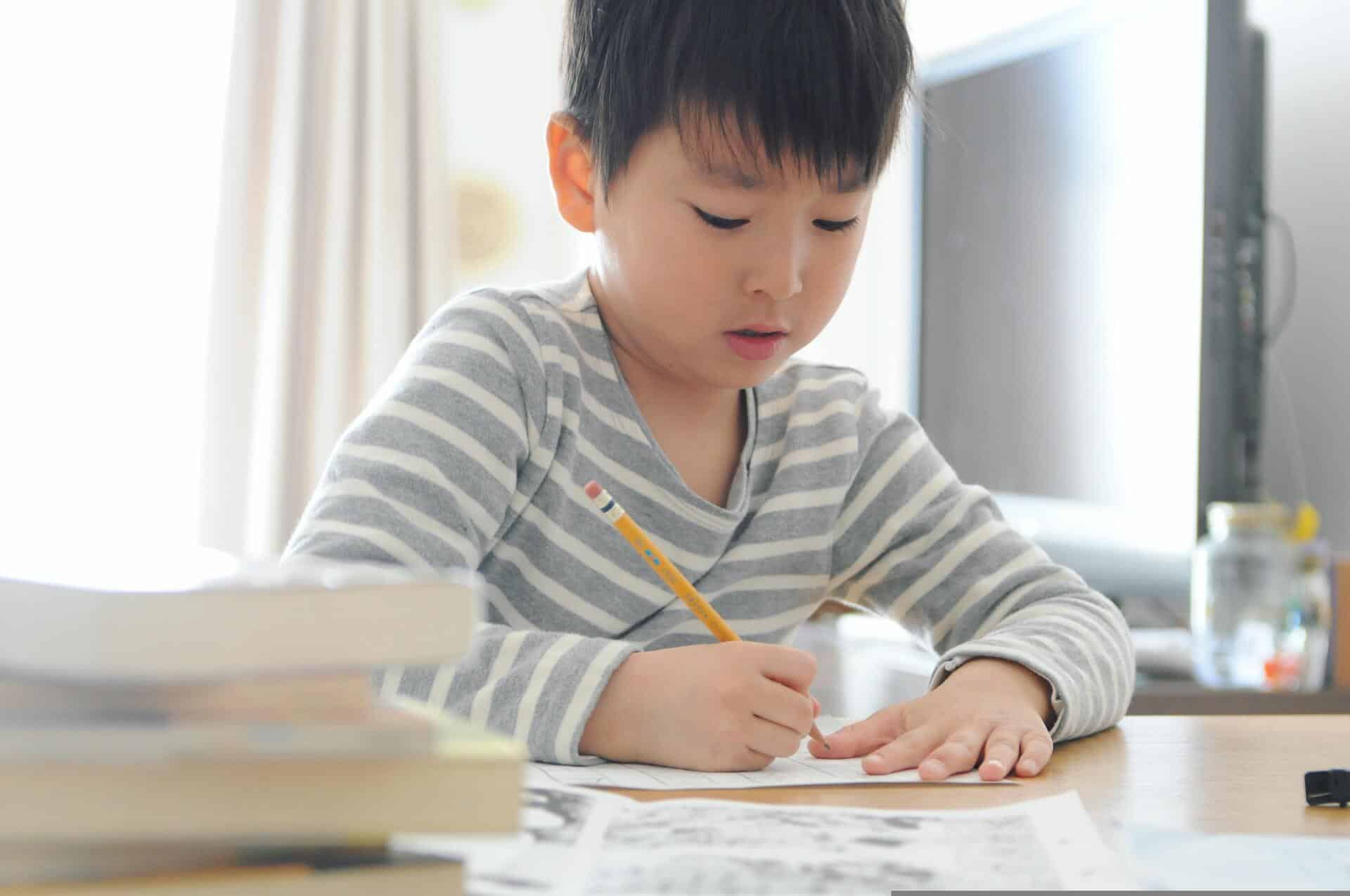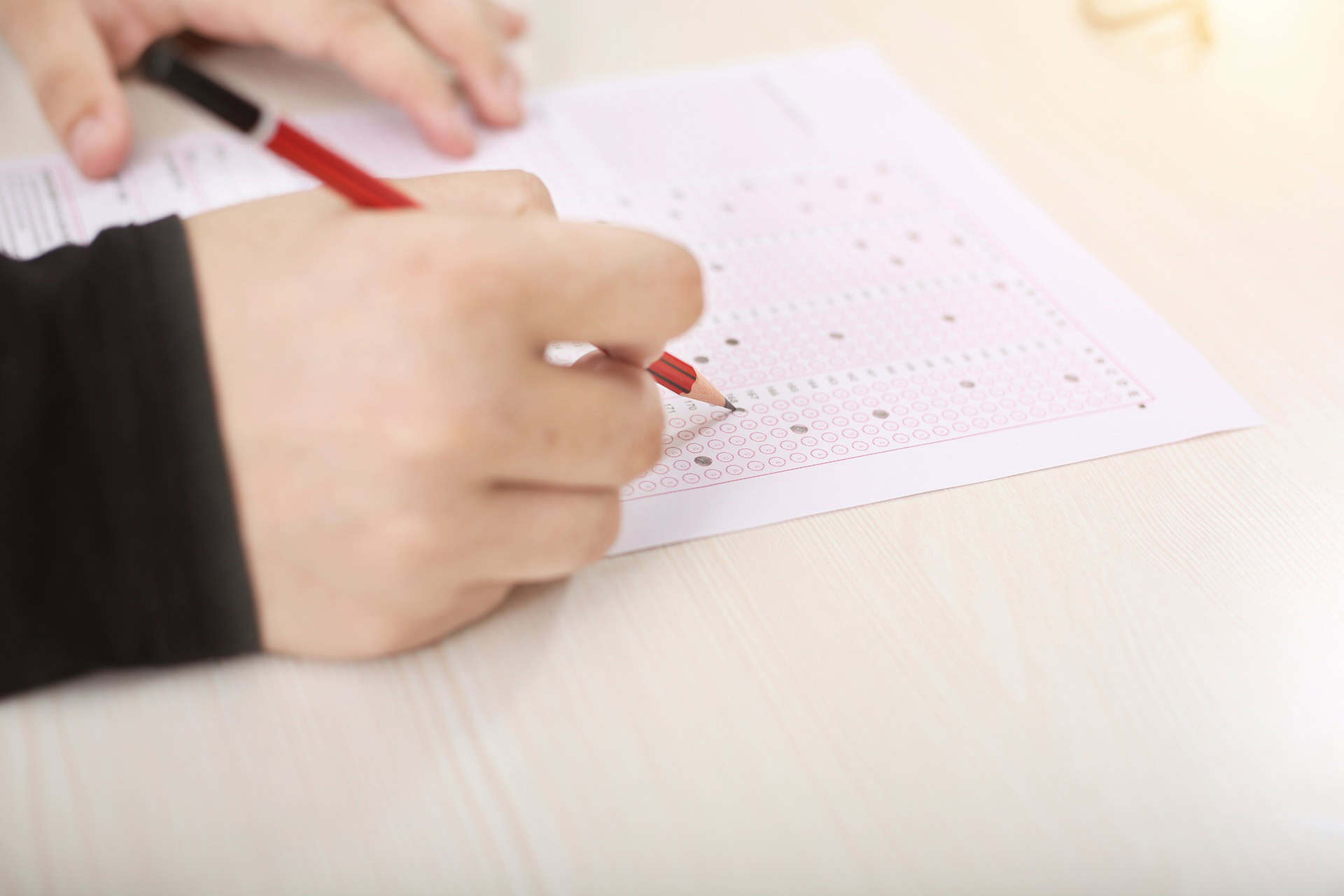
The approach of the exam season introduces a distinct shift in Singaporean households. Late nights at the study desk and a tense atmosphere during dinner become the norm. As a parent, you want to support your child through demanding milestones like the Primary School Leaving Examination (PSLE), O-Levels, or N-Levels, yet you worry about the heavy toll the pressure takes on their well-being.
Many parents believe that high academic achievement requires sacrificing peace of mind, but excessive pressure actually creates diminishing returns. A landmark study by the Organisation for Economic Co-operation and Development (OECD) revealed that 76% of Singaporean students report feeling highly anxious before a test, even when they are thoroughly prepared. You can review the comprehensive findings directly on the OECD iLibrary.
This figure is significantly higher than the global average of 55%. Real stress management during exams does not mean lowering your standards or abandoning academic ambitions. Instead, it is about providing your child with the psychological resilience and mental clarity they need to perform at their true potential.
Identifying Hidden Signs of Exam Stress in Your Child
Children rarely walk up to their parents and express that they are overwhelmed by exam stress. Instead, emotional strain manifests through physical changes and subtle behavioural shifts. To provide timely support, you need to look out for specific warning signs. Physical cues are often the first indicators. A child might complain of frequent headaches, unexplained stomachaches, or a sudden loss of appetite.
Sleep disruptions are another major red flag. If your child struggles to fall asleep, tosses and turns, or wakes up exhausted despite spending eight hours in bed, their nervous system is likely in a state of high alert. You might also notice emotional and behavioural shifts. A normally expressive child may become unusually irritable, snap over minor inconveniences, or completely withdraw from family conversations.
These changes carry a heavy cognitive cost. When a child is constantly anxious, their body releases high levels of cortisol. This stress hormone actively impairs the working memory. This means a highly stressed child will genuinely struggle to recall formulas or facts during the assessment, even if they spent hours revising them the night before.
Shift the Environment at Home
To help your child understand how to deal with stress during exams, you must first look at the environment where they spend most of their time. The home should serve as a sanctuary rather than an extension of the school exam hall. Small, deliberate adjustments to your daily routine can dramatically lower your child’s anxiety levels.
First, establish strict boundaries around academic conversations. Create a de-escalation zone by making the dinner table a completely exam-free space. Dedicate this time to discussing hobbies, lighthearted news, or family stories. This gives your child’s brain a genuine psychological break and reminds them that their value in the family extends far beyond their test scores. Second, reframe the narrative of your daily check-ins. Instead of asking whether they finished their practice paper or how many marks they scored, ask how they are coping with a specific topic or if they need a short break.
Finally, practice emotional regulation. Children naturally mirror the emotional states of their parents. If you openly express anxiety about their upcoming papers, your child absorbs that tension. By maintaining a calm, reassuring presence, you provide a natural emotional buffer that helps them feel secure.
Practical Blueprints for Stress Management During Exams
Helping your child discover how to deal with stress of exams requires replacing exhausting cramming sessions with smarter, sustainable study habits. One of the most effective strategies is the 45-15 structured study method. Gruelling four-hour study blocks lead to rapid cognitive fatigue and rising frustration. Encourage your child to study with intense focus for 45 minutes, then take a mandatory 15-minute break. This break must be completely screen-free. Walking around the house, stretching, or getting a glass of water allows the brain to process information and prevents mental burnout.
Another powerful tool is the five-minute pre-study brain dump. Before your child opens their textbooks, give them a scrap piece of paper and ask them to write down every single fear, worry, or intrusive thought they have about the upcoming paper. Once they finish, have them crumple the paper up and throw it away. This simple physical action helps clear the working memory, allowing them to focus entirely on their revision with a clean slate.
Practical Exam Stress Tips for Daily Routine
Implementing small, evidence-based changes during the revision weeks can yield massive improvements in both mood and performance.
Prioritise Sleep Over Last-Minute Revision
Many students stay up past midnight to squeeze in one final practice paper, believing that more hours logged automatically equals better grades. This approach is highly counterproductive and actively damages performance. Sleep is the exact biological mechanism that consolidates memory, moving information from short-term retention into long-term storage.
When a child is sleep-deprived, their brain struggles significantly with logical reasoning, abstract problem-solving, and emotional regulation. A tired mind is much more likely to experience panic and blank out during an assessment. Ensuring your child gets a full, uninterrupted night of rest will always yield better results than forcing an extra hour of exhausted reading.
Use Active Recall Instead of Passive Rereading
Staring at highlighted textbooks, re-reading notes, or looking over answered worksheets over and over again creates a false sense of competence known as the illusion of fluency. It makes the student feel like they know the material simply because it looks familiar, but recognition is not the same as recollection. When they face a blank exam script, anxiety spikes because they have not practiced retrieving that information from scratch. Encourage your child to use active recall instead. Have them close the book and summarise a complex concept aloud, teach the topic to you, or complete short, timed quizzes without looking at their notes. Building genuine retrieval strength builds real confidence.
Optimize Nutrition and Hydration
The brain consumes a massive twenty percent of the body’s total energy, and this consumption spikes during intense study periods. Mild dehydration causes a rapid drop in concentration, shortens the attention span, and increases feelings of mental fatigue. Keep a fresh jug of water directly on their study desk and encourage them to sip from it constantly. Additionally, swap out sugary snacks and drinks, which cause rapid spikes and subsequent crashes in energy, for brain-boosting foods. Offering small portions of walnuts, fresh berries, pumpkin seeds, and whole grains keeps their blood sugar and focus stable throughout long revision afternoons.
A Balanced Path to Excellence
Academic success and emotional well-being are not opposing goals. In fact, a calm, focused, and well-rested mind is an absolute prerequisite for a top-tier academic performance. When you equip your child with the right tools to manage their workload and their emotions, you give them a competitive advantage that lasts long after the exam season ends.
Finding this balance requires an educational environment that moves away from traditional, high-stress drilling and focuses instead on teaching children how to learn efficiently. If you are looking for a place that prioritises both conceptual mastery and a supportive atmosphere, it helps to understand what makes a learning centre truly different. Read more about What Makes Ms Ng’s Learning Academy a Tuition Centre That Stands Apart to see how we guide students toward academic success with minimal stress.
Source:
OECD. PISA 2015 Results: Student’s Well-being Volume III. https://www.oecd.org/content/dam/oecd/en/publications/reports/2017/04/pisa-2015-results-volume-iii_g1g787cb/9789264273856-en.pdf. June 5, 2026.