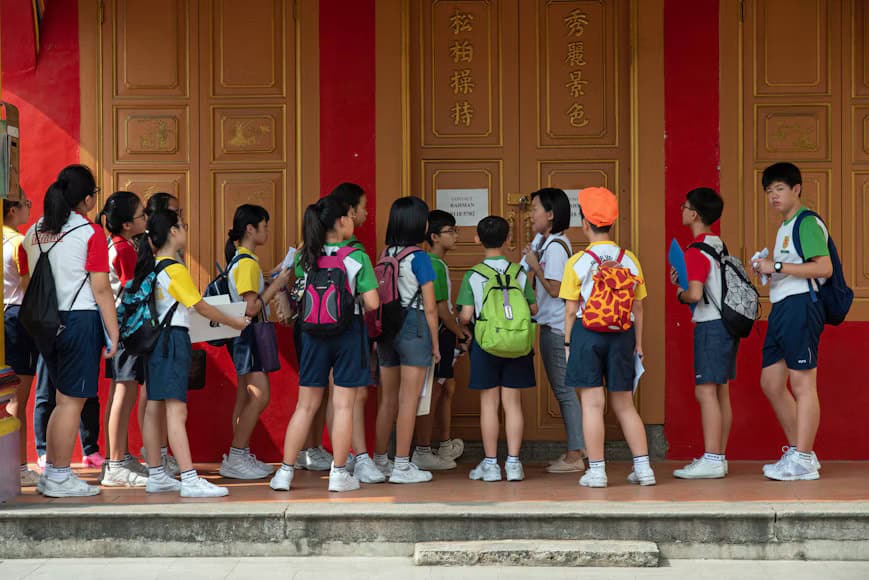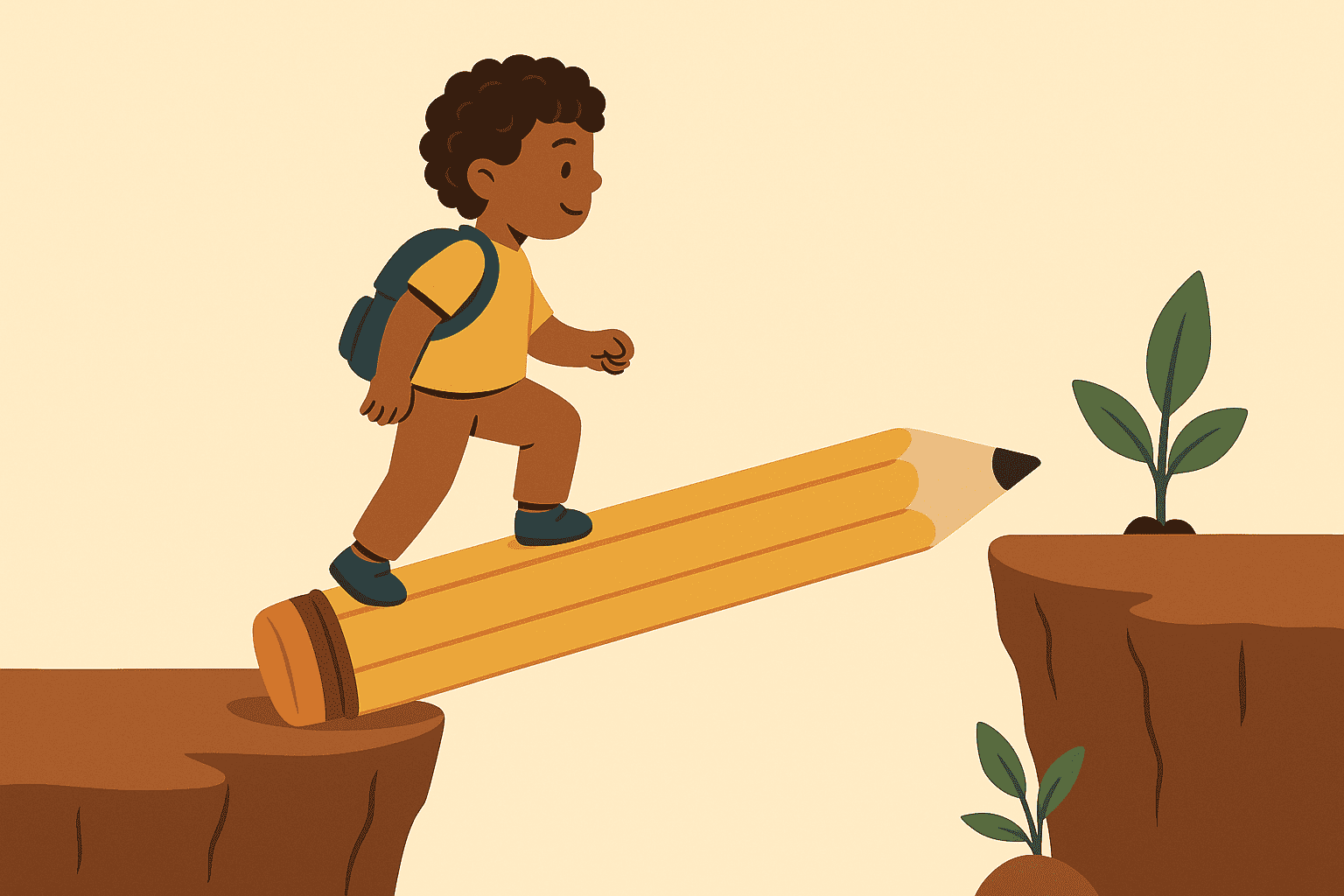
Moving from Primary 6 to Secondary 1 is a major milestone in every child’s learning journey. It can feel exciting, but also unfamiliar and overwhelming for both students and parents. The academic pace becomes faster. Subjects become more demanding. Expectations shift quickly, and students are often expected to take on more responsibility independently. Even students who performed well in Primary 6 may find the transition challenging at first.
The good news is that with early preparation, the right habits, and steady support, students can step into Secondary school feeling more confident and ready to adapt.
Why the Transition from Primary 6 to Secondary 1 Feels So Different
For many students, entering Secondary 1 feels like stepping into an entirely new learning environment. It is not simply a change of school. It is also a change in academic expectations, learning style, and daily routine. Students are adjusting to new teachers, more subjects, a different timetable, and greater independence all at once. Understanding what changes ahead can help families prepare earlier and reduce unnecessary stress during the transition.
Increased Academic Demands
One of the biggest differences between Primary 6 and Secondary 1 is the level of academic demand. The content becomes deeper, lessons move faster, and students are expected to process information more independently. Subjects are no longer just about remembering facts or repeating methods. Students are often expected to explain their thinking, apply concepts in unfamiliar situations, and work through more complex questions.
Mathematics becomes more abstract
In Primary 6, Math often focuses on mastering methods and applying them to familiar problem types. In Secondary 1, students are introduced to algebra, equations, negative numbers, mathematical expressions, and more layered problem-solving. Questions may require several steps and students are often expected to explain their reasoning clearly. This can feel like a big jump for students who are used to practising standard question formats in primary school.
Science shifts from factual to analytical
Science in secondary school becomes more concept-based and analytical. Students are often expected to explain scientific processes clearly, apply concepts to unfamiliar examples, compare observations, analyse outcomes, and answer open-ended questions with precision. This requires stronger conceptual understanding and confidence with explanation-based answering.
English is more demanding
English in Secondary 1 often requires stronger reading comprehension, vocabulary use, writing structure, and interpretation. Students may need to read longer and more complex passages, identify tone and implied meaning, organise essays with clearer arguments, and support ideas with explanation and examples. For many students, this shift can feel significant because the questions are less direct and require deeper thinking.
Managing multiple subjects at once
Students are also adjusting to more subjects, more homework, more materials to organise, and different teachers with different expectations. Learning how to balance all of this while staying consistent can take time. This is often where students feel stretched not because they cannot cope academically, but because they are learning how to manage everything at once.
Study Skills Every Primary 6 Student Should Build Before Secondary 1
Academic knowledge is important, but study habits often play just as big a role in helping students settle into secondary school. In Secondary 1, students are usually expected to take more ownership of these responsibilities themselves. Without strong study habits, even capable students can feel overwhelmed by the pace and workload. Developing these habits early can make the transition much smoother.
Time management and planning ahead
Secondary school often comes with multiple subjects, worksheets, assignments, and tests happening at the same time. Students who learn how to plan their week, organise deadlines, and break work into smaller tasks often feel less stressed and more in control. Simple habits like using a planner, writing down homework, or setting aside fixed revision time each week can make a big difference.
Reviewing regularly instead of cramming
Many students entering Secondary 1 are used to revising mainly before tests. But because content moves faster in secondary school, regular review becomes more important. Revisiting topics weekly, correcting mistakes early, and practising consistently helps students retain information better and prevents topics from piling up.
Learning from mistakes
Mistake review becomes increasingly important in secondary school. Rather than simply checking answers, students benefit from understanding why they got a question wrong, what the correct thinking process should have been, and how to avoid repeating the same mistake next time. This builds deeper understanding and stronger confidence over time.
Asking questions confidently
Some students hesitate to ask questions when they are unsure. But secondary school introduces many unfamiliar concepts, and clarification early on can prevent confusion from building. Encouraging students to ask when they do not understand helps build confidence, independence, and stronger learning habits.
Building consistency
Study skills do not need to be complicated. Very often, consistency is what matters most. Small habits repeated regularly, such as reviewing notes after class, completing corrections carefully, or revising for even a short period each day can have a strong long-term impact. These routines help students feel more prepared and less overwhelmed as they enter Secondary 1.
Emotional Readiness Matters Too
The transition from Primary 6 to Secondary 1 is also an emotional adjustment. Students are moving into a new environment, meeting new classmates, adapting to unfamiliar routines, and navigating greater independence. At the same time, many are managing expectations around academic performance and fitting into a new school culture. This can feel exciting and stressful all at once.
That is completely normal. Confidence, resilience, and emotional readiness often play just as important a role as academic preparation. Students who feel supported through change often adjust more smoothly and approach learning with greater confidence.
How Parents Can Support Their Child Before Secondary 1 Begins

Parents play an important role during this transition. Often, the most meaningful support comes through small, consistent habits at home. While every child adjusts differently, having the right support during this period can make the move to secondary school feel less overwhelming and more manageable.
One helpful way parents can support their child is by encouraging independence in learning. As students move from Primary 6 to Secondary 1, they are expected to take greater ownership of their studies. Creating regular opportunities for reflection can help build this habit. Simple conversations at home can go a long way. Questions like What did you learn today?, Which topic felt challenging?, or what would you like to improve next? can help students become more aware of how they learn, what they feel confident in, and where they may need extra support.
Building a consistent routine at home can also make a meaningful difference. During periods of change, routines help create stability and structure. A balanced weekly rhythm with time for study, rest, activities, and downtime can help students feel more organised and emotionally settled as they adjust to new expectations in secondary school.
Consistency often matters more than intensity. Small routines built early, whether it is setting aside time for revision, packing school materials the night before, or having a regular bedtime, can help students feel more prepared and confident in managing their responsibilities. Over time, these habits create a stronger foundation for a smoother transition into Secondary 1.
Can Tuition Help with the Transition from Primary 6 to Secondary 1?
For many families, one common question before secondary school begins is whether tuition can help during the transition. The answer often depends on the child, their confidence level, and how prepared they feel about moving into a new academic environment. For some students, the transition feels manageable. For others, it can feel like a significant jump. This is especially true when students begin to notice:
- Certain topics becoming harder to follow
- A drop in confidence in subjects like Math or Science
- Difficulty adapting to new question styles
- Feeling overwhelmed by increased workload
- Uncertainty about how to revise independently
Tuition can be helpful because it creates an additional layer of academic support during this adjustment period. It gives students extra time and space to strengthen understanding outside of school lessons, especially when new concepts are introduced quickly in class. For many students, having a smaller learning environment also makes it easier to ask questions they may hesitate to ask in school. Difficult concepts can be broken down more clearly, and students have more opportunities to revisit topics at their own pace.
Tuition can also support the transition by helping students build stronger routines around revision and consistency. This can include regular practice outside school, reinforcement of weak concepts, exposure to more application-based questions, clearer study structure each week, and guided support with difficult topics before they become overwhelming.
For students moving from Primary 6 to Secondary 1, this added structure can provide reassurance during a period of change. With the right guidance and support, this transition can feel more manageable. If you are exploring tuition support for your child during this stage, read more about what makes Ms. Ng’s Learning Academy a tuition centre that stands apart here: What Makes Ms. Ng’s Learning Academy a Tuition Centre That Stands Apart.