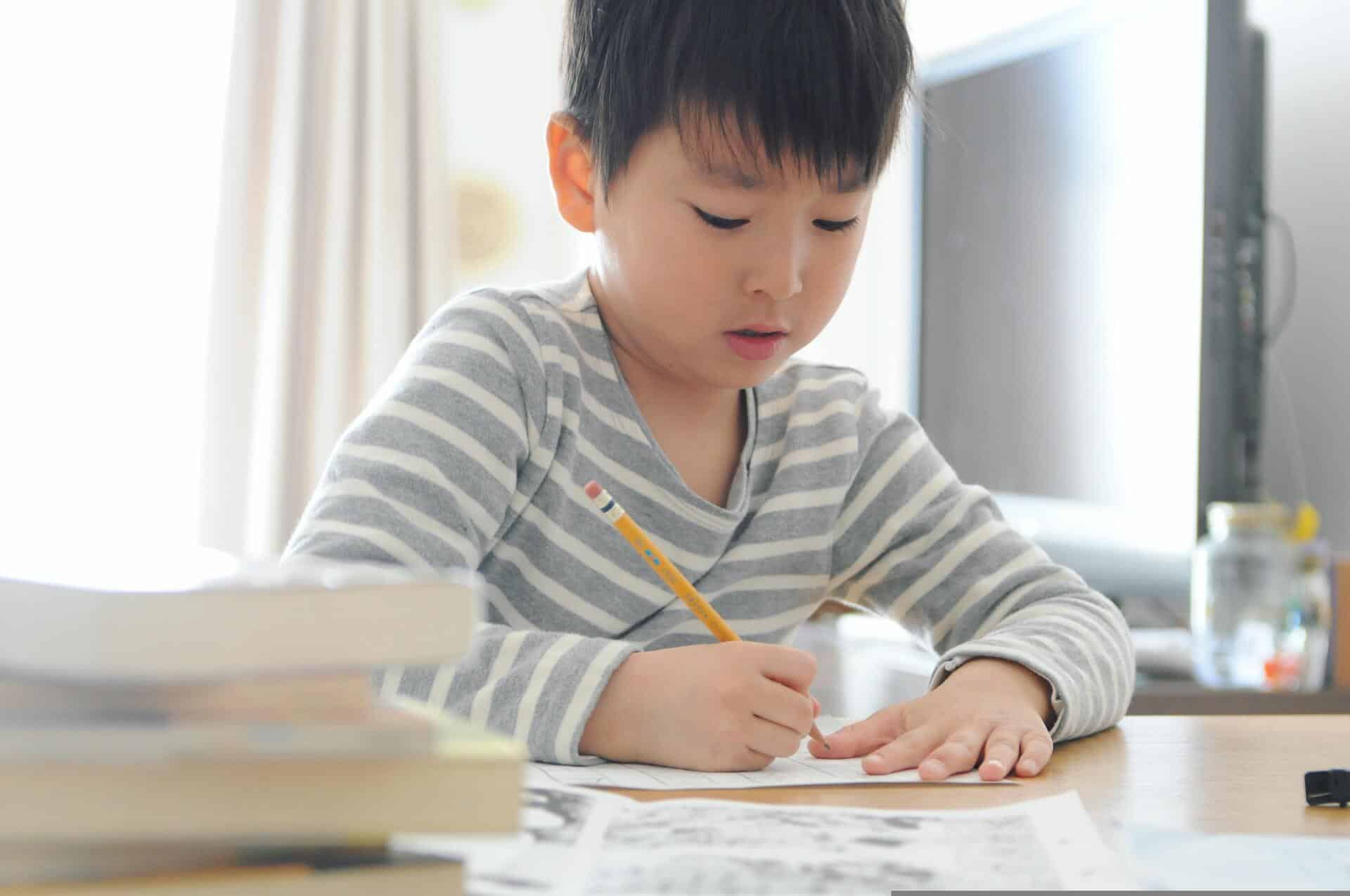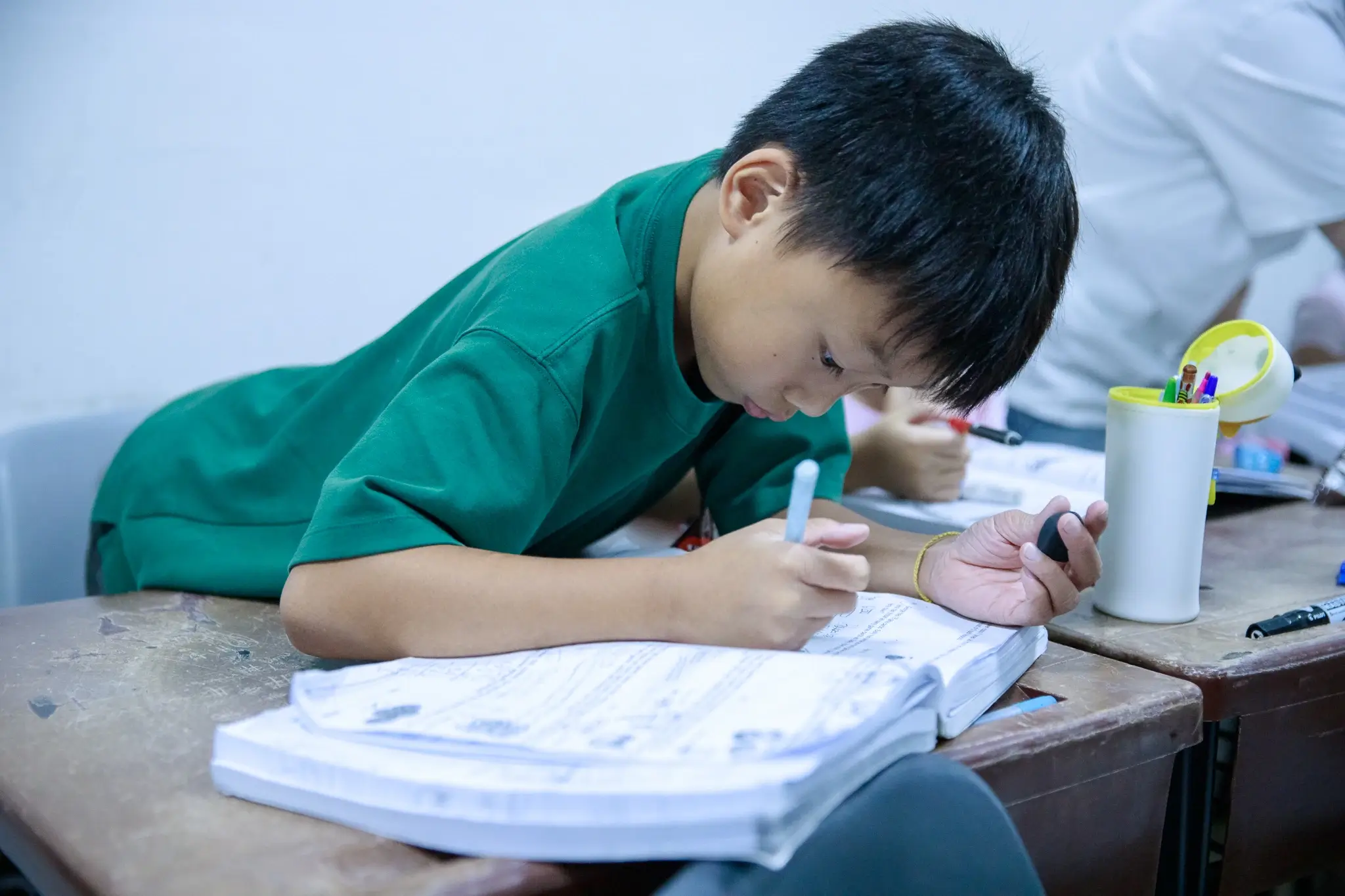
When parents think about “good study habits”, the first image that often comes to mind is a child sitting at a desk for hours surrounded by assessment books and revision notes. But in reality, strong study habits are usually much less dramatic than that.
Very often, the students who cope best academically are not necessarily the ones studying the longest. They are the ones who have learned how to study consistently, manage their time sensibly, and approach learning in a way that feels sustainable rather than exhausting
A child who studies intensely for one week before exams but loses focus the rest of the year will usually struggle more than a child with calmer, steadier routines built into everyday life.
The encouraging part is that good study habits are not something children are simply “born with”. They are skills that can be developed gradually with the right routines, environment, and support over time. And often, small changes make a much bigger difference than parents expect.
What Are Study Habits, Really?
Study habits are simply the routines and behaviours a student repeats consistently when learning. This includes things such as:
- when they study
- how they revise
- how they manage distractions
- whether they review mistakes
- how they prepare for tests and assignments
In other words, study habits shape how a child approaches learning every day, not just during exam periods. Some habits help students feel calmer, more organised, and more confident over time. Others quietly create stress without students even realising it.
For example, constantly procrastinating, revising only the night before exams, or studying while distracted by phones and notifications may eventually lead to panic, frustration, and poor retention.
On the other hand, steady routines often help children feel far more in control of their workload. That is why strong study habits matter so much. They influence not only academic performance, but also how a child feels emotionally towards learning itself.
Why Good Study Habits Matter More Than Last-Minute Studying
Many students fall into the habit of cramming. A test is coming up, panic sets in, and suddenly the entire week becomes filled with late-night revision and rushed memorisation. While this sometimes helps students survive short-term tests, it rarely leads to long-term understanding or sustainable learning.
Instead of relying on bursts of intense studying, students build familiarity with subjects gradually over time. This helps information stay in their memory longer and reduces the stress that often comes with last-minute revision.
Children with steadier routines also tend to approach exams more calmly because preparation has already been happening consistently in the background. This does not mean students need to study every hour of the day.
In fact, shorter and more focused study sessions are often far more effective than long hours spent staring at books without proper concentration. The goal is not to make children study endlessly. The goal is to help them study more effectively.
Good Study Habits That Actually Help Students
Not every study habit is equally useful. Some routines genuinely improve focus and learning, while others simply make children feel busy without helping them retain much at all.
Studying Consistently Beats Studying Intensively
One of the healthiest habits students can build is consistency. A child who studies for a manageable amount of time regularly throughout the week will usually perform better than a child who only studies heavily before examinations.
Consistency helps reduce pressure because revision becomes part of a routine rather than an emergency response. It also prevents burnout. Children are far more likely to stay motivated when studying feels manageable instead of overwhelming.
Reviewing Mistakes Properly Matters More Than Repeating Papers
Many students complete large amounts of practice work but improve very little because they rarely stop understanding their mistakes properly. Real progress usually happens when students review:
- why they got a question wrong
- whether the mistake came from carelessness
- whether they misunderstood the concept
- whether they rushed through the question too quickly
Learning from mistakes helps students avoid repeating the same patterns again and again. Sometimes, one carefully reviewed worksheet teaches more than five rushed practice papers.
A Better Environment Often Leads to Better Focus
Even strong students struggle to focus when they are constantly distracted. Phones, background videos, noisy environments, and multitasking can quietly affect concentration far more than many children realise. Studying while checking messages every few minutes often creates the illusion of productivity without deep learning actually happening.
This does not mean children need a perfectly silent room at all times. But having a more focused and distraction-free study routine usually helps students absorb information more effectively and complete work more efficiently.
Rest Is Part of Studying Too
Many students feel guilty when they are not studying. But the rest is not laziness. It is part of how the brain recovers, processes information, and stays focused over longer periods of time.
Children who are constantly exhausted often struggle with concentration, memory, and motivation no matter how many hours they spend revising. This is why good study habits should always include proper breaks, sleep, exercise, and downtime alongside revision. A tired child rarely learns well.
Independent Learning Is a Skill Worth Building Early
As students grow older, learning how to study independently becomes increasingly important. This does not mean parents stop supporting their child completely. It simply means helping children gradually take more ownership over their routines, revision planning, and responsibilities.
Students who develop independence often become better at:
- managing their workload
- identifying weaker areas
- asking questions proactively
- staying organised during busy periods
These habits become especially valuable during major examination years when academic demands naturally increase.
Smart Study Habits Look Different for Every Child
One thing many parents discover over time is that there is no “perfect” study routine that works for every child. Some students focus better earlier in the day. Others work more effectively in the evening. Some prefer shorter study blocks with regular breaks, while others focus well for longer periods once they settle into a task. Personality matters too.
Certain children thrive with highly structured routines. Others need a little more flexibility to avoid feeling mentally drained or resistant towards studying. This is why comparing study styles between children is rarely helpful.
The goal is not to create the strictest schedule possible. The goal is to help a child build habits they can realistically maintain consistently without feeling constantly frustrated or exhausted. Sustainable routines almost always work better than extreme ones.
How Parents Can Support Better Study Habits at Home
Parents play a much bigger role in shaping study habits than many realise. Children often pick up emotional cues from the environment around them. When learning constantly feels stressful, tense, or centred entirely around grades, children may gradually begin associating studying with anxiety rather than growth.
On the other hand, calm routines and steady encouragement often help children develop healthier attitudes towards learning over time. This does not mean parents need to monitor every worksheet or supervise every study session closely.
Sometimes, the most effective support comes from helping children stay organised, encouraging consistency, and guiding them to reflect on their mistakes constructively instead of reacting with panic or frustration immediately after every result.
Celebrating effort, improvement, and consistency can also be far more motivating than focusing only on scores. Children who feel emotionally supported are often more willing to keep trying even when learning becomes challenging.
Helping Children Build Habits That Last
At the end of the day, strong study habits are not really about making children study harder. They are about helping children become more focused, independent, organised, and confident in the way they approach learning over time.
Some students naturally develop these habits earlier than others. Some need more guidance, structure, or encouragement along the way. And that is completely normal. What matters most is building routines that feel realistic, healthy, and sustainable enough to support long-term growth instead of short bursts of panic before examinations.
Sometimes, improving a child’s study habits is not about adding more worksheets or longer study hours. It is about helping them develop healthier routines, better focus, and a more manageable relationship with learning over time.
If you are exploring different ways to support your child academically, you can browse the MNLA Programmes to better understand the different learning environments and approaches available for students at different stages of their academic journey.