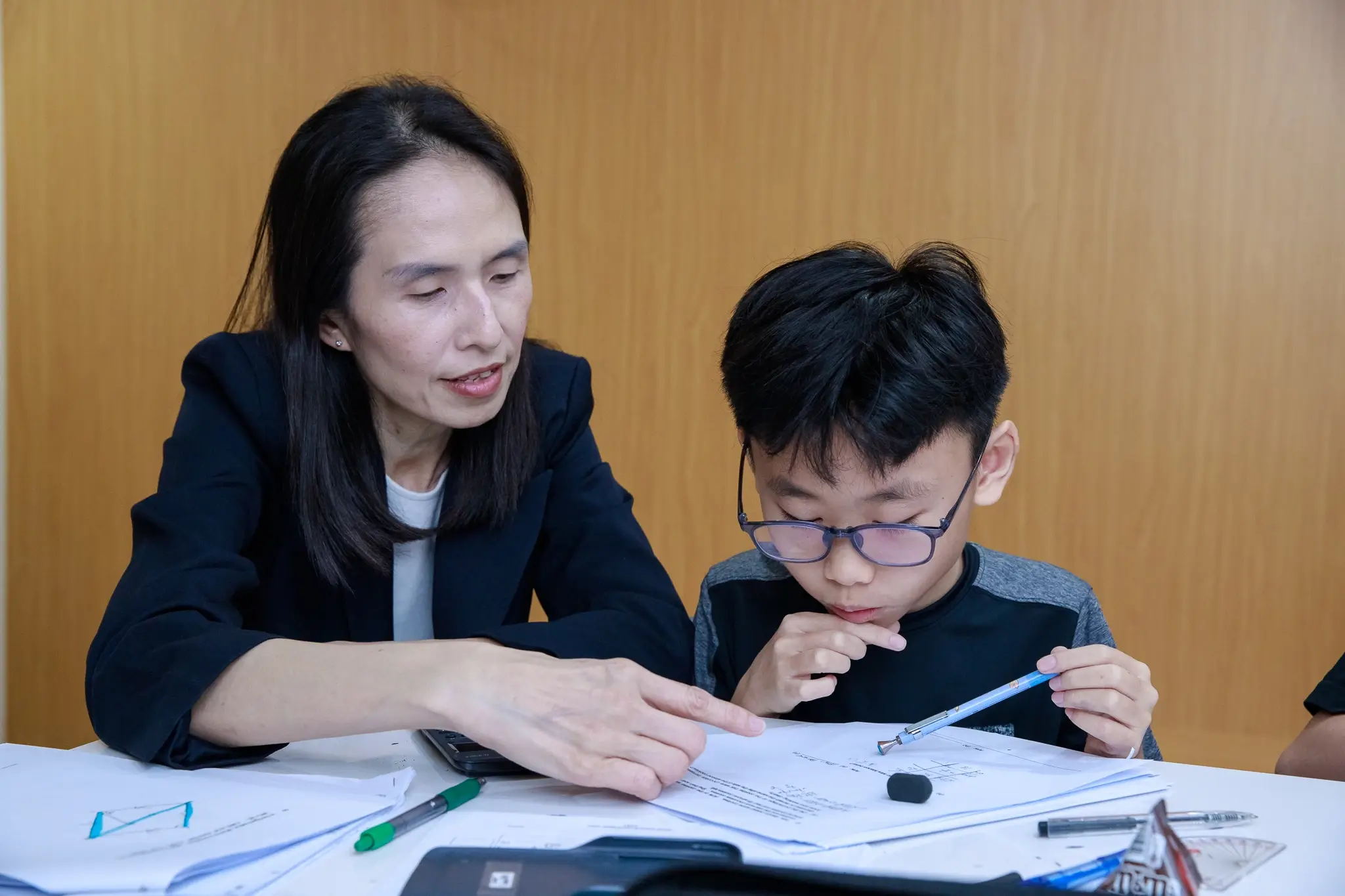
Across Singapore, tuition has helped many children regain confidence, strengthen weak subjects, and improve academically. But at the same time, not every tuition experience leads to meaningful results, and not every child benefits from additional classes in the same way.
For some students, the right support system can be genuinely transformative. For others, extra lessons may simply add stress to an already demanding schedule without solving the actual issue underneath.
That is why deciding whether tuition is “worth it” is rarely as straightforward as many parents hope.
This guide takes an honest and balanced look at both sides of tuition in Singapore, not to persuade parents in one direction or another, but to help families make a more informed decision based on what their child genuinely needs.
Pros and Cons of Tuition
Like most educational decisions, tuition comes with both benefits and trade-offs.
At its best, tuition can provide personalised support, stronger academic structure, and renewed confidence for students who are struggling or feeling lost in school. At the same time, tuition also requires a significant investment of time, energy, and money, and when approached poorly, it can sometimes create more pressure instead of less.
The key is not simply whether a child attends tuition, but whether the support they receive is actually suitable, sustainable, and genuinely helping them grow.
What It Does Well
One of the biggest strengths of tuition is the level of personalised attention it can provide.
In a school classroom with thirty or forty students, it is understandably difficult for teachers to identify and address every child’s individual learning gaps in depth. Tuition environments, especially smaller ones, often create more opportunities for targeted support and closer guidance.
This can make a meaningful difference for students who have started falling behind or losing confidence in a particular subject. Sometimes, children do not need more intelligence or effort. They simply need concepts explained differently, additional practice in weaker areas, or a space where they feel more comfortable asking questions.
Well-structured tuition can also help students develop stronger academic habits beyond just content learning. Skills such as time management, revision planning, exam techniques, and answering strategies often become easier to build when students receive consistent guidance over time.
During major examination years such as the PSLE, O-Levels, and A-Levels, having structured academic support can also provide families with greater clarity and direction throughout the preparation process.
Most importantly, effective tuition should help children become more confident and independent learners over time rather than simply teaching them how to memorise answers.
The Honest Downsides of Tuition
At the same time, tuition is not without its drawbacks, and being realistic about them helps parents make better decisions.
The financial cost is often the most obvious factor. Quality tuition can be a significant long-term investment, especially for families managing multiple subjects or multiple children. Parents naturally need to weigh whether the value provided genuinely justifies the cost for their specific child.
There is also the issue of overscheduling.
Many students already spend long hours in school before attending enrichment classes, tuition lessons, and completing homework afterwards. Without enough rest or downtime, children can become physically exhausted and mentally drained, which may eventually affect both motivation and performance.
Another risk is dependency. Tuition should ideally build a child’s confidence and ability to think independently. However, in some situations, students become overly reliant on tutors and struggle to solve problems on their own without constant guidance.
Not all tuition centres are equally effective either. Large class sizes, inexperienced teachers, poorly structured lessons, or overly generic teaching methods can result in children spending additional hours studying without seeing meaningful improvement.
This is why choosing the right learning environment matters just as much as deciding whether tuition is needed in the first place.
The Hidden Costs Parents Often Overlook
Beyond finances, tuition also demands something many families underestimate, which is time, emotional energy, and daily coordination.
Transport arrangements, lesson scheduling, revision planning, and balancing school commitments can gradually become stressful for both parents and children, especially during major examination years.
There is also the question of how much free time a child is giving up.
Children still need opportunities to rest, pursue hobbies, spend time with family, and simply enjoy being children. When every weekday and weekend becomes filled with classes, revision, and academic pressure, burnout can happen more quickly than parents expect.
Personality matters too.
Some children genuinely thrive with additional structure and guided learning. Others may become overwhelmed by too many scheduled lessons and respond better to greater independence or lighter support systems.
Sometimes, the hidden cost of the wrong tuition choice is not just money. It can slowly affect a child’s confidence, motivation, and relationship with learning itself.
This is why tuition decisions should always consider the child as a whole person rather than focusing only on grades alone.
How to Know If Tuition Is the Right Call for Your Child
There is no universal rule for when tuition becomes necessary.
For some students, additional support becomes helpful when there are clear and persistent gaps in certain subjects. For others, tuition may make sense during high-stakes examination years when more structured preparation and guidance are needed.
Confidence can also be an important factor. A child who has started disengaging from a subject, avoiding revision, or believing they are “bad” at learning may benefit from more personalised academic support.
At the same time, parents should avoid enrolling their child in tuition simply because “everyone else is doing it”. The best decisions usually come from understanding the child’s actual struggles and needs rather than reacting to outside pressure.
It also helps to involve children in the conversation whenever possible. Students are often more receptive to support when they understand why it is being introduced and feel included in the decision-making process.
For families who are unsure, starting with a shorter trial period rather than committing immediately to long-term classes can be a useful way to assess whether the fit feels genuinely beneficial.
What to Look for in a Tuition Centre Worth Your Investment
Not all tuition centres operate in the same way, which is why parents should look beyond advertisements and marketing claims before making a decision.
Smaller class sizes often allow teachers to identify individual learning gaps more effectively and provide closer guidance during lessons. Experienced and qualified educators also play an important role because strong teaching goes far beyond simply completing worksheets.
A structured curriculum matters too. Students usually progress more confidently when lessons build systematically rather than jumping randomly between topics without clear direction.
Parents should also ask practical questions about how progress is monitored. Good tuition centres are usually transparent about teaching methods, student development, and measurable improvement over time.
Just as importantly, the learning environment itself matters. Children tend to perform better in places where they feel comfortable asking questions, making mistakes, and engaging actively instead of simply sitting through lessons passively.
At Ms Ng’s Learning Academy, these principles form the foundation of the academy’s approach to teaching. As an MOE-registered tuition centre, the focus remains on personalised learning, qualified educators, structured academic support, and helping students build confidence steadily alongside measurable academic progress.
Making the Right Decision for Your Child
There is no single “correct” answer when it comes to tuition.
For some children, the right academic support system can create meaningful improvements in both confidence and performance. For others, reducing pressure, strengthening routines at home, or allowing more time to rest may be equally important.
What matters most is making a thoughtful decision based on your child’s actual needs rather than comparison, fear, or outside expectations. If you would like to better understand what truly separates effective tuition from generic academic support, explore how Ms Ng’s Learning Academy approaches personalised learning, structured guidance, and long-term student growth.