For many parents, the reality of the PSLE year only truly sinks in when Primary 6 begins.
Suddenly, the mindset shifts from “there’s still plenty of time” to “where do we even start?”. Between schoolwork, revision schedules, tuition, and exam pressure, preparation can easily start to feel stressful and difficult to manage for both children and parents alike.
The truth is, there is no perfect formula for preparing a child for the PSLE. Every student learns differently, progresses differently, and responds to pressure differently.
What matters most is building a realistic and sustainable plan that supports your child’s learning without turning the entire year into constant stress.
When Should PSLE Preparation Really Begin?
Many parents assume preparation only starts in Primary 6, but strong foundations are often built much earlier.
By Primary 4, students are already transitioning into more complex concepts and heavier workloads. This stage is ideal for strengthening understanding, building consistent study habits, and identifying weaker areas early before they become bigger struggles later on.
Primary 5 is usually where preparation becomes more intentional. Subjects become noticeably more demanding, especially in areas like Mathematics problem-solving and Science open-ended questions. This is often the best time to strengthen weaker subjects, close learning gaps, and improve consistency before the pressure of Primary 6 begins.
By the time students reach Primary 6, the focus tends to shift towards sharpening exam techniques, improving time management, and building confidence under timed conditions. Revision becomes more structured, while practice papers and targeted corrections play a bigger role.
That said, parents who feel they are “starting late” should not panic. Many students make meaningful improvements within a shorter period when they receive the right guidance, structure, and support. Progress is still possible at every stage.
Building a Study Routine That Actually Sticks
When it comes to preparation, consistency matters far more than last-minute cramming.
Studying steadily over time helps students retain information better, build confidence gradually, and reduce unnecessary stress closer to the examinations. In contrast, overly intense revision schedules often lead to frustration and burnout very quickly.
A good study routine does not need to be packed from morning to night. In fact, the most effective schedules are usually the most realistic ones.
Instead of focusing on long hours, parents can start by creating a simple weekly structure that includes:
- Dedicated revision blocks
- Short breaks between study sessions
- Time for rest and hobbies
- Adequate sleep
Children also tend to respond better when routines match their natural energy levels. Some students focus best immediately after school, while others may work more effectively after dinner following some downtime. Flexibility matters.
Just as importantly, rest should never be treated as a reward for studying. Play, relaxation, and proper sleep are essential parts of healthy preparation, especially during a demanding academic year.
Subject-by-Subject Preparation Tips
Every subject requires a slightly different preparation strategy, and small daily habits often make a bigger difference than intensive revision sessions once in a while.
English Language
Strong English skills are usually built gradually through consistent exposure.
Daily reading remains one of the most effective habits because it improves vocabulary, comprehension, sentence structure, and general language confidence naturally over time. Even twenty to thirty minutes of reading a day can make a noticeable difference.
For writing, students benefit from regularly practising composition planning rather than only writing full essays repeatedly. Learning how to organise ideas clearly often improves writing quality significantly.
Mathematics
Success in Mathematics comes from understanding problem-solving methods rather than memorising answers.
One particularly helpful habit is practising model drawing and step-by-step working consistently. Many students lose marks not because they cannot calculate, but because they struggle to interpret complex word problems clearly.
Regular exposure to different question types also helps students become more flexible and confident when approaching unfamiliar problems.
Science
Science preparation works best when students focus on understanding concepts before memorising keywords.
Open-ended questions remain one of the biggest challenges because students must explain scientific ideas clearly and accurately. Encouraging students to explain concepts aloud in their own words can strengthen understanding significantly.
Students should also get comfortable identifying keywords within questions so they can answer more precisely and avoid missing important details.
Mother Tongue Language
Improvement in Mother Tongue often comes through consistent exposure rather than memorisation alone.
Simple habits such as reading short articles, listening to conversations, or speaking the language more regularly at home can gradually improve confidence and familiarity.
Oral practice is especially important because many students understand the language reasonably well but struggle to respond confidently under examination conditions.
The Role of Past Year Papers in PSLE Preparation
Past year papers are one of the most effective preparation tools available because they help students become familiar with examination formats, question styles, and time pressure.
However, timing matters.
Introducing full practice papers too early can sometimes discourage students, especially if their foundations are still weak. On the other hand, starting too late leaves little time to identify patterns, improve mistakes, and build confidence.
For many students, timed practices become more useful closer to the later stages of Primary 6, once core concepts are already reasonably stable.
More importantly, reviewing mistakes matters far more than simply completing papers repeatedly. Wrong answers should be treated as learning opportunities rather than failures. Going through corrections carefully helps students understand where misunderstandings happen and how to avoid repeating them.
Ultimately, the goal of practice papers is not just to chase scores. It is to help students feel more prepared, familiar, and confident when exam day arrives.
Managing Stress and Keeping Your Child Motivated
Academic preparation is important, but emotional wellbeing matters just as much during the PSLE year.
Children often absorb the emotions and expectations of the adults around them more than parents realise. When stress levels at home become too intense, students may begin associating learning with fear and pressure rather than growth and progress.
One of the most helpful things parents can do is keep communication open and supportive. Instead of focusing only on marks, conversations can also centre around effort, improvement, and small wins along the way.
Avoiding constant comparison with peers is equally important. Every child learns at a different pace, and comparisons often create anxiety without actually improving performance.
Sometimes, motivation also comes from simply helping children feel seen and encouraged. Acknowledging their effort, celebrating progress, and reminding them that setbacks are part of learning can make a significant difference during difficult periods.
Most importantly, children tend to mirror the attitudes of the adults around them. When parents approach the year with calmness, balance, and perspective, children are more likely to do the same.
When to Consider Extra Support
Some students cope well with independent revision, while others benefit from more structured guidance and support.
There are usually a few signs that additional help may be useful. Persistent struggles in certain subjects, declining confidence, difficulty managing workloads independently, or repeated frustration despite effort can all indicate that a child may need more targeted support.
Tuition or enrichment should never be viewed as replacing school. Instead, it works best as a complement to classroom learning by providing additional structure, personalised guidance, and focused practice in weaker areas.
For many families, having consistent academic support also helps reduce stress at home because children receive clearer direction and accountability throughout the preparation process.
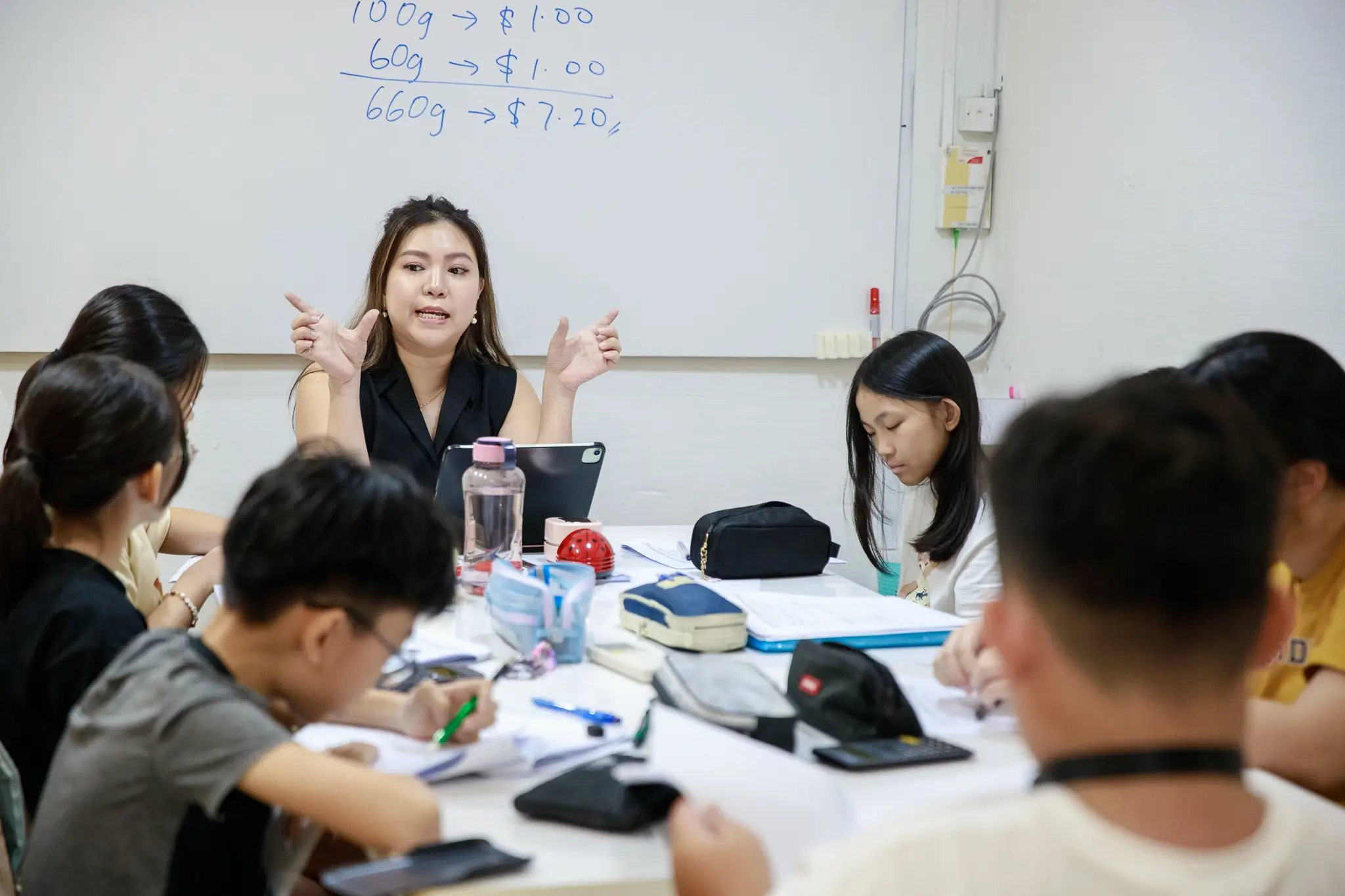
At Ms Ng’s Learning Academy, the focus goes beyond drilling practice papers. Students are guided through structured learning plans designed to strengthen understanding, improve confidence, and help them approach examinations with greater clarity and resilience.
Helping Your Child Walk Into Exam Season With Confidence
Preparation for the PSLE is not about creating the “perfect” child or following an impossible study schedule.
It is about helping students build strong foundations, develop confidence steadily, and feel supported throughout the process.
With the right structure, encouragement, and preparation habits, the journey can feel far more manageable for both parents and children alike.
For parents looking for structured support during this important academic year, find out how the PSLE Enrichment Programme can help your child strengthen their understanding, improve exam readiness, and walk into exam season with greater confidence.